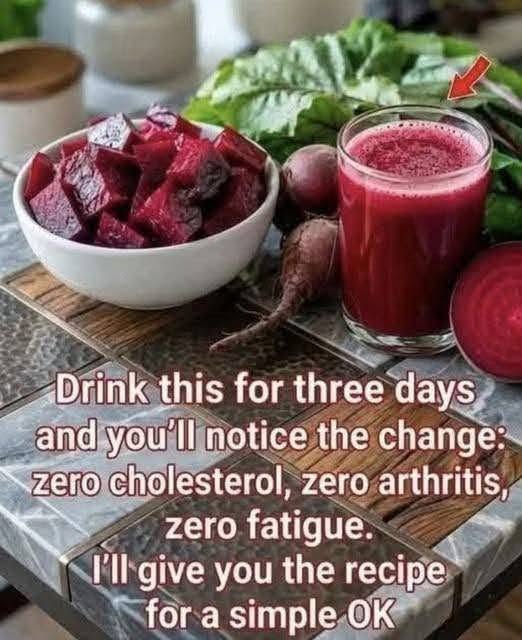

Beetroot juice is a vibrant, earthy-sweet drink made from fresh beets. Its deep ruby color comes from naturally occurring plant compounds called betalains, while beets also provide dietary nitrates and several vitamins and minerals. Whether enjoyed on its own, blended with citrus, or added to a smoothie, beetroot juice can be a flavorful way to include more vegetables in your diet.
1. May Support Healthy Blood Pressure
Beets are naturally rich in dietary nitrates. The body can convert nitrates into nitric oxide, which helps relax and widen blood vessels. Research suggests beetroot juice may modestly lower blood pressure in some people, although it should not replace prescribed treatment or medical advice.
2. May Support Exercise Performance
Beetroot juice is popular among athletes because its nitrate content may improve the efficiency of oxygen use during exercise. Some research has found benefits for endurance activities, particularly when beetroot juice is consumed before exercise.
3. Provides Antioxidant Compounds
Beetroot contains betalains and other plant compounds with antioxidant activity. These compounds help protect cells from oxidative stress as part of the body’s normal defense systems.
4. Supports a Heart-Healthy Eating Pattern
As part of an overall balanced diet, beetroot can contribute nutrients associated with cardiovascular health. Its naturally occurring nitrates, potassium, and plant compounds make it a nutritious addition to a vegetable-rich diet.
5. Contains Important Micronutrients
Beets provide nutrients such as folate, potassium, manganese, and vitamin C, although the exact nutritional value of juice depends on how it is prepared and whether pulp is retained.
6. May Support Digestive Health
Whole beets contain fiber, which supports normal digestion and regular bowel movements. However, strained beetroot juice contains much less fiber than eating whole beets because much of the fiber is removed during juicing.
7. Naturally Low in Fat
Plain beetroot juice contains virtually no fat and can be a refreshing alternative to higher-fat beverages. However, it still contains naturally occurring carbohydrates and sugars, so portion size can matter for people monitoring carbohydrate intake.
8. May Support Healthy Blood Flow
The nitric oxide produced from dietary nitrates can contribute to blood-vessel relaxation and circulation. This is one reason beetroot juice has become particularly popular as a pre-exercise beverage.
9. Provides Folate
Beets are a useful source of folate (vitamin B9), a nutrient involved in normal cell division and red blood cell formation. Including beets as part of a varied diet can help contribute to overall folate intake.
10. May Be Useful Before Exercise
For people interested in sports nutrition, beetroot juice is often consumed around 2–3 hours before exercise to allow dietary nitrates time to be converted through the body’s nitrate–nitrite–nitric oxide pathway. Individual responses vary, so it isn’t guaranteed to improve performance for everyone.
Beetroot Juice and Weight Loss
Beetroot juice isn’t a weight-loss drink by itself. However, unsweetened beetroot juice can fit into a calorie-conscious diet when consumed in moderate portions.
For better fullness, whole beets are generally more filling than juice because they retain their fiber. If you’re trying to manage calories, avoid adding large amounts of sugar, syrups, or sweetened fruit juice.
Is Beetroot Juice High in Protein?
No. Beetroot juice is not a significant source of protein. If you’re following a high-protein lifestyle, pair it with protein-rich foods such as Greek yogurt, eggs, cottage cheese, tofu, or a protein-rich breakfast rather than relying on the juice for protein.
Is Beetroot Juice Low-Carb?
Not particularly. Beets naturally contain carbohydrates, and juicing removes much of the fiber, leaving a drink containing naturally occurring sugars. If you’re following a strict low-carb or keto diet, measure your serving carefully and account for its carbohydrate content.
Beetroot Juice Nutrition
Approximate nutrition for 1 cup (240 mL) of unsweetened beetroot juice can vary considerably depending on the recipe and juicing method.
Typical homemade beet juice may provide approximately:
- Calories: 70–100
- Protein: 2–3 g
- Fat: 0–1 g
- Carbohydrates: 15–22 g
- Fiber: Low if strained
- Natural sugars: Approximately 12–16 g
- Potassium: A meaningful amount
- Folate: A useful contribution to daily intake
These are approximate values rather than a fixed nutrition label; homemade juice can vary substantially depending on the amount of beet used.
How to Make Fresh Beetroot Juice
Ingredients
- 2 medium fresh beets
- 1 apple — optional
- 1 small carrot — optional
- ½ lemon
- ½-inch piece fresh ginger — optional
- ½–1 cup cold water, if using a blender
Directions
- Wash and peel the beets if desired.
- Cut the beets into small pieces.
- Add beets, apple, carrot, lemon, and ginger to a juicer.
- Process according to your juicer’s instructions.
- If using a blender, add the ingredients with water and blend until smooth.
- Strain through a fine-mesh strainer or cheesecloth if you prefer a smoother juice.
- Serve immediately over ice.
Tips for Better Beetroot Juice
- Add lemon or lime to brighten the earthy beet flavor.
- Ginger provides a spicy contrast to the natural sweetness.
- Apple can make the juice sweeter, but also increases its carbohydrate content.
- Carrot adds additional sweetness and color.
- For less sugar, use more beet and lemon and skip sweet fruits.
- Drink it fresh for the best flavor.
Possible Side Effects and Things to Know
Beetroot is generally well tolerated as part of a normal diet, but there are a few things worth knowing.
- Pink or red urine: Eating beets can temporarily turn urine pink or red. This is called beeturia and is generally harmless.
- Stool color: Beets can also temporarily make stools appear reddish.
- Digestive discomfort: Large quantities may cause bloating or stomach discomfort in some people.
- Kidney stones: Beets contain oxalates, so people who have been advised to limit dietary oxalate should discuss appropriate intake with a healthcare professional.
- Blood pressure: Because beetroot nitrate can affect blood pressure, people taking blood-pressure medication or with relevant medical conditions should ask their healthcare professional whether concentrated beetroot products are appropriate.
Frequently Asked Questions
Is it okay to drink beetroot juice every day?
For most healthy people, moderate amounts can fit into a varied diet, but there’s no need to consume large quantities to obtain the nutritional benefits of beets.
What is the best time to drink beetroot juice?
If you’re using it specifically around exercise, research commonly examines consumption roughly 2–3 hours before exercise; otherwise, there isn’t a universally required time of day.
Can I drink beetroot juice on an empty stomach?
Many people can, but it isn’t necessary. If it causes stomach discomfort, have it with or after food.
Does beetroot juice detox the body?
There isn’t good evidence that beetroot juice “detoxes” the body. The liver, kidneys, lungs, and digestive system already perform the body’s natural waste-processing functions.
Is beetroot juice better than eating whole beets?
Not necessarily. Juice can be convenient and concentrated, but whole beets provide substantially more fiber and are generally more filling.
Can diabetics drink beetroot juice?
Beetroot juice contains carbohydrates and natural sugars, so people with diabetes should consider the serving size and total carbohydrate intake. Unsweetened juice is preferable to versions with added sugar.
Final Thoughts
Beetroot juice can be a nutritious addition to a balanced diet, particularly because of its dietary nitrates, folate, potassium, and betalain compounds. Its potential benefits for blood pressure and exercise performance are among the most researched reasons people consume it. For everyday nutrition, though, don’t overlook whole beets, which provide the additional benefit of dietary fiber.