
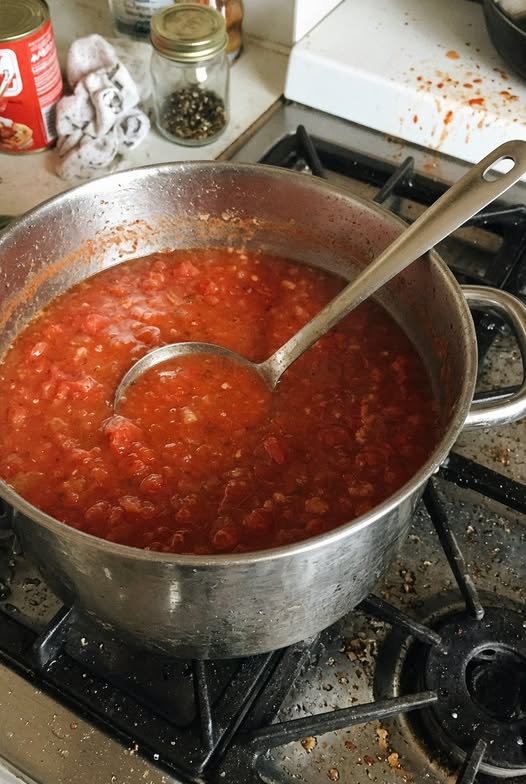

Description
This cozy Tomato Soup is smooth, comforting, and packed with bright tomato flavor. Juicy tomatoes simmer with onion, garlic, herbs, and broth before being blended into a silky soup that’s perfect for a simple lunch or light dinner. It is naturally lower in calories and can be adapted into a lower-carb, protein-friendly meal with a spoonful of Greek yogurt or a protein-rich side. Warm, flavorful, and easy to make, this classic soup is comfort food at its simplest.
Can This Tomato Soup Support Weight Loss Goals?
Tomato Soup can fit into balanced weight-management goals when enjoyed as part of an overall nutritious eating pattern. Tomatoes and vegetables provide flavor and volume without requiring heavy ingredients, while keeping added fats and creamy sauces moderate can help maintain a lighter meal. For greater satiety, pair the soup with a protein-rich food such as grilled chicken, Greek yogurt, cottage cheese, or another lean protein source.
Does Tomato Soup Fit a High-Protein Lifestyle?
Traditional tomato soup is not naturally high in protein because its main ingredients are tomatoes, vegetables, and broth. However, it can easily fit a high-protein lifestyle when made with Greek yogurt or paired with a lean protein source. Net carbs depend on the tomato quantity and whether any sugar or thickener is added. Using unsweetened ingredients keeps the soup relatively simple and lower-carb. It is best considered a protein-friendly base rather than a high-protein meal on its own.
Why This Recipe is Special:
- Comforting Classic: Smooth tomatoes and warm herbs create familiar homemade comfort.
- Lower-Carb Friendly: It avoids pasta, flour, and heavy starch-based thickeners.
- Easy to Customize: Greek yogurt can add creaminess and extra protein.
- Simple Ingredients: Everyday pantry staples create plenty of flavor.
- Meal-Prep Friendly: It stores and reheats well for convenient lunches.
My Personal Experience
- The smooth texture makes it especially comforting.
Blending the cooked tomatoes and vegetables creates a silky, spoonable soup.
It feels creamy and satisfying even without a large amount of heavy cream. - The tomato flavor stays bright and fresh.
A short simmer lets the tomatoes develop a deeper savory flavor without becoming dull.
A small squeeze of lemon at the end can make the flavor even brighter. - I like how easy it is to customize.
Greek yogurt can add creaminess and protein, while fresh herbs give it a fresher finish.
It is easy to adjust depending on what is available in the kitchen. - It works beautifully for meal prep.
A single batch can provide several quick lunches or light dinners.
The flavor holds up well after refrigeration and gentle reheating.
Perfect For:
- Cold-weather lunches — A warm bowl of tomato soup is especially comforting on chilly days.
- Busy weeknights — Simple preparation makes it an easy homemade dinner.
- Meal prep — Make a batch ahead and portion it into individual containers.
- Light lunches — Pair with a protein-rich side for a more complete meal.
- Lower-carb meal plans — Keep it free from pasta, flour, and sugary additions.
- Cozy family meals — A familiar flavor that works well with a variety of sides.
Why You’ll Love This Recipe:
- Silky and smooth
Blending the cooked vegetables creates a naturally velvety consistency.
You get a creamy texture without needing lots of heavy ingredients. - Bright tomato flavor
Tomatoes remain the star of the recipe from the first spoonful to the last.
Garlic, onion, and herbs add savory depth without overpowering them. - Easy protein boost
Stirring in plain Greek yogurt after cooking can increase the protein content.
You can also serve the soup alongside grilled chicken or another lean protein. - Excellent for leftovers
The soup can be refrigerated or frozen in individual portions.
That makes it convenient for quick meals later in the week.
Common Mistakes to Avoid:
- Boiling aggressively for too long — Excessive boiling can dull the fresh tomato flavor.
- Adding Greek yogurt over high heat — Stir it in gently after reducing the heat to help prevent curdling.
- Under-seasoning — Tomatoes need enough salt and herbs to bring out their natural flavor.
- Blending while the soup is extremely hot — Use an immersion blender carefully or allow the soup to cool slightly before transferring it to a blender.
Required Equipment:
- Large saucepan — Provides enough room for simmering the tomatoes and vegetables evenly.
- Immersion blender — Blends the soup directly in the pot with minimal cleanup.
- Sharp knife — Makes quick work of chopping the onion and garlic.
- Cutting board — Provides a stable surface for preparing the vegetables.
- Ladle — Makes serving the hot soup neat and easy.
Storage Instructions:
Allow the soup to cool before transferring it into shallow airtight containers. Refrigerate for 3–4 days for best quality. For longer storage, freeze the soup in freezer-safe containers or individual portions for approximately 2–3 months. If using Greek yogurt, you may prefer to add it fresh after reheating rather than freezing it in the soup, as dairy can sometimes change texture after thawing.
Recipe Details
- Preparation Time: 10 minutes
- Cooking Time: 25 minutes
- Total Time: 35 minutes
- Servings: 4
- Best Season for This Recipe: All-season
- Total Calories (Per Serving): Approximately 125 calories
Calories are an approximate estimate and can vary according to the tomatoes, broth, and optional Greek yogurt used.
Short 3-Line Description
This cozy Tomato Soup combines ripe tomatoes, garlic, onion, and herbs into a smooth, comforting bowl.
It is simple, flavorful, lower-carb friendly, and easy to prepare with everyday ingredients.
Add Greek yogurt or a lean protein-rich side to make it more suitable for a high-protein meal.
📝 Ingredients:
- 6 cups (about 1.4 L) crushed tomatoes, preferably no-salt-added
- 1 medium yellow onion, chopped
- 3 cloves garlic, minced
- 3 cups low-sodium chicken or vegetable broth
- 1 teaspoon dried basil
- ½ teaspoon dried oregano
- ½ teaspoon salt, or to taste
- ¼ teaspoon black pepper
- 1 teaspoon olive oil
- ½ cup plain nonfat Greek yogurt, optional
- 1 tablespoon fresh lemon juice, optional
- 2 tablespoons fresh basil or parsley, optional
Ingredient note: Use plain unsweetened Greek yogurt if adding protein and creaminess. No sugar is needed because the tomatoes provide natural sweetness.
Directions:
- Prepare the vegetables.
Chop the onion and mince the garlic. Keep the pieces relatively small so they soften quickly. - Sauté the onion.
Heat a large saucepan over medium heat and add the olive oil. Add the onion and cook for 4–5 minutes, stirring occasionally, until softened and translucent. - Add the garlic.
Stir in the minced garlic and cook over medium-low heat for 30–60 seconds. Stop when fragrant; avoid letting it brown heavily. - Add the tomatoes and broth.
Pour in the crushed tomatoes and broth. Add basil, oregano, salt, and black pepper, then stir well. - Simmer the soup.
Bring the mixture to a gentle simmer over medium heat, then reduce to low heat. Cover partially and simmer for 15–20 minutes, stirring occasionally. The onions should be completely tender. - Blend until smooth.
Turn off the heat and carefully blend using an immersion blender until the soup reaches a smooth, silky consistency. If using a countertop blender, allow the soup to cool slightly and blend in batches. - Add optional Greek yogurt.
Reduce the heat to low or keep the pot off the heat. Whisk the Greek yogurt with a small amount of warm soup first, then stir it back into the pot. This creates a creamy texture while adding protein. - Finish the flavor.
Stir in lemon juice if desired and taste for seasoning. The soup should taste bright, savory, and balanced. - Serve warm.
Ladle into bowls and garnish with fresh basil or parsley.
High-protein cooking tip: The base soup is relatively low in protein, so add Greek yogurt or serve it alongside grilled chicken, cottage cheese, or another protein-rich food when building a high-protein meal.
Nutrition Facts (Per Serving – Approximate):
Base soup without Greek yogurt:
- Calories: 125 kcal
- Fats: 3 g
- Cholesterol: 0 mg
- Sodium: 420 mg
- Potassium: 650 mg
- Total Carbohydrates: 20 g
- Fiber: 4 g
- Net Carbs: 16 g
- Sugars: 11 g
- Protein: 5 g
- Calcium: 55 mg
Nutrition values are approximate and will vary depending on the tomato and broth brands used. Adding Greek yogurt will increase protein and slightly change the calorie, carbohydrate, and calcium values.
Notes:
- Storage: Refrigerate in airtight containers for 3–4 days or freeze for approximately 2–3 months.
- Reheating: Warm gently over medium-low heat, stirring occasionally; avoid prolonged boiling.
- Allergy notes: The base recipe can be made dairy-free by omitting Greek yogurt. If using chicken broth, check the label for allergens or dietary requirements.
- Flavor boost: Add fresh basil, red pepper flakes, smoked paprika, or a small squeeze of lemon.
- Creaminess: Greek yogurt provides a creamy texture and additional protein without requiring heavy cream.
- Lower-carb tip: Avoid adding sugar, flour, pasta, or starchy thickeners if you want to keep the soup lower in carbohydrates.
Frequently Asked Questions:
1. Is tomato soup high in protein?
Traditional tomato soup is not high in protein, but Greek yogurt or a protein-rich side can increase the meal’s protein content.
2. Is tomato soup low-carb?
It is relatively moderate in carbohydrates because tomatoes contain natural carbohydrates, but avoiding sugar and starches keeps it lower-carb than many thickened soups.
3. Can I make this soup creamy without heavy cream?
Yes, plain Greek yogurt can provide creaminess while also adding protein.
4. Can I freeze tomato soup?
Yes, the base soup freezes well for approximately 2–3 months in freezer-safe containers.
5. Can I use fresh tomatoes?
Yes, ripe fresh tomatoes can be substituted, although you may need to simmer them longer to achieve a rich tomato flavor.
6. What can I serve with tomato soup for more protein?
Grilled chicken, Greek yogurt, cottage cheese, or another lean protein-rich side can make the meal more substantial.