
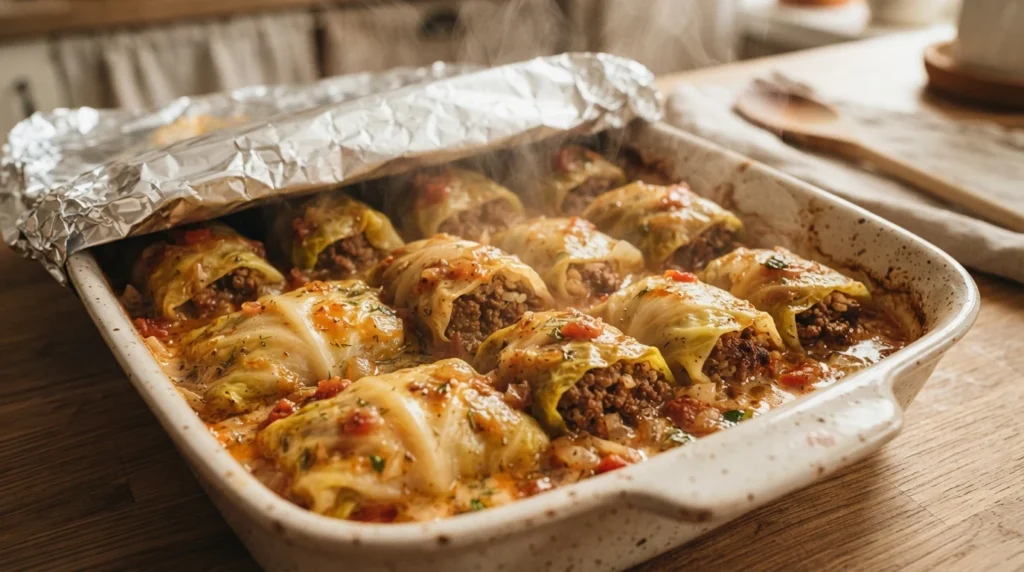

When traditional pasta is off the menu, this vegetable-based lasagna offers a satisfying, low-carb comfort meal that requires minimal active cooking time.
Why Use Cabbage Leaves Instead of Pasta?
Cabbage leaves provide a large surface area and a natural cup shape, making them ideal for stuffed dishes. Unlike thick zucchini slices which can dry out quickly, cabbage remains tender when cooked gently in a moist environment. The key to success lies not in the vegetable itself, but in how you prepare the filling and manage moisture levels.
This approach allows you to use inexpensive produce while avoiding high-carb pasta, creating a dish that fits into a lower-carbohydrate eating pattern without sacrificing flavor or texture.
Basic Recipe Overview
- Yield: Approximately 6 to 8 servings
- Total Time: About 45 minutes (excluding marinating time)
- Prep Time: 20 minutes
- Cook Time: 25 minutes
This recipe produces a hearty, protein-rich dish suitable for home cooks looking to reduce carbohydrate intake. The cabbage acts as the structural base, absorbing sauce while remaining distinct from the meat filling.
Ingredients
Note: All quantities are in grams unless otherwise specified. Ensure ingredients are fresh and properly prepared before starting.
- Cabbage leaves: 1 large head (approx. 400g), separated into individual leaves
- Ground beef: 500g, lean to moderate fat content
- Onion: 1 medium (approx. 120g), finely chopped
- Garlic: 2 cloves (approx. 8g), minced
- Garlic powder: 5g
- Dried oregano: 10g
- Paprika: 5g
- Salt: 8g
- Black pepper: 4g
- Mozzarella cheese: 200g, shredded (use low-moisture for best results)
- Parmesan cheese: 30g, grated
- Heavy cream or half-and-half: 150ml (approx. 150g liquid weight), or a mixture of heavy cream and milk for dairy-free options
- Sour cream: 50g, stirred into the sauce
- Canned tomatoes: 400g (approx. one can), drained well
- Optional: Salted butter for sautéing onions
Preparation Method
Follow these steps to create a cohesive, layered dish that holds together during baking.
- Prepare the Cabbage Leaves: Remove the tough outer leaves of the cabbage head. Cut through the center to separate individual leaves. Place them in a large pot and cover with warm water. Add a splash of vinegar if available, though this is optional for flavor enhancement.
- Marinate the Leaves: Let the leaves soak for at least 15 minutes. This step softens the fibers and makes them pliable enough to wrap around the filling without tearing.
- Cook the Ground Beef: In a large skillet over medium-high heat, cook the ground beef with salted butter until browned and no longer pink. Add the chopped onion and garlic, cooking for another 3 minutes until softened but not caramelized.
- Season the Filling: Stir in the garlic powder, oregano, paprika, salt, and black pepper. Mix thoroughly to distribute flavors evenly throughout the meat mixture.
- Create the Sauce Base: In a separate bowl or pot, combine the canned tomatoes (drained), heavy cream (or half-and-half), sour cream, mozzarella cheese, parmesan cheese, and any remaining liquid from the tomato can. Stir until smooth and creamy.
- Assembly: Lay a cabbage leaf flat on a clean surface. Place a generous spoonful of the beef mixture in the center. Fold the sides of the leaf inward, then roll it tightly into a cylinder shape to encase the filling completely.
- Baking Instructions: Preheat your oven to 180°C (350°F). Place the rolled cabbage rolls in a baking dish large enough to hold them without crowding. Pour the tomato-cream sauce over the rolls, ensuring they are mostly submerged. Cover tightly with foil or parchment paper.
- Cooking Time: Bake for 25 minutes. Remove the cover and bake for an additional 10 minutes to allow the top to brown slightly. The cabbage should be tender when pierced with a fork, and the filling should be hot throughout.
Troubleshooting Common Issues
Even with careful preparation, certain issues may arise. Here is how to address them effectively.
- Soggy Cabbage: If the cabbage leaves become mushy or leak liquid during baking, it usually indicates they were not drained sufficiently before use. Ensure excess water is removed after soaking by gently patting them dry with paper towels before rolling.
- Tearing During Assembly: This often happens if the leaves are too old or dried out. If your cabbage feels stiff, try blanching them briefly in boiling water for just 2 minutes to soften them further without overcooking.
- Dry Filling: Overcooking the beef can lead to a dry texture. Cook the meat until it reaches an internal temperature of approximately 71°C (160°F) and stop cooking immediately. Adding a small amount of liquid to the sauce helps compensate for any moisture loss.
Substitution Options
To adapt this recipe, consider these changes based on dietary needs or ingredient availability:
- Dairy-Free: Replace mozzarella and parmesan with coconut oil-based cheeses if available, or use a commercial dairy-free alternative. Swap heavy cream for full-fat coconut milk.
- Pork Substitution: Ground pork can replace beef in this recipe, though it may require slightly longer cooking times due to different fat content.
- Vegetarian Version: Use a mixture of lentils or mushrooms instead of ground meat for a plant-based option. Adjust seasoning accordingly as there is no savory umami from the beef.
Storage and Reheating
This dish keeps well for several days due to its high moisture content. Store leftovers in an airtight container in the refrigerator for up to 4 days. For longer storage, freeze individual portions wrapped tightly in plastic wrap and foil; they can be stored for up to 3 months.
To reheat, place the cabbage rolls in a baking dish and cover with foil. Bake at 180°C (350°F) for about 20 minutes until heated through. Adding a splash of water or broth before reheating helps maintain moisture.
Final Thoughts
Cabbage leaf lasagna offers a delicious, low-carb alternative to traditional pasta dishes. By focusing on proper preparation and careful cooking techniques, you can create a meal that is both visually appealing and satisfying for your palate.