
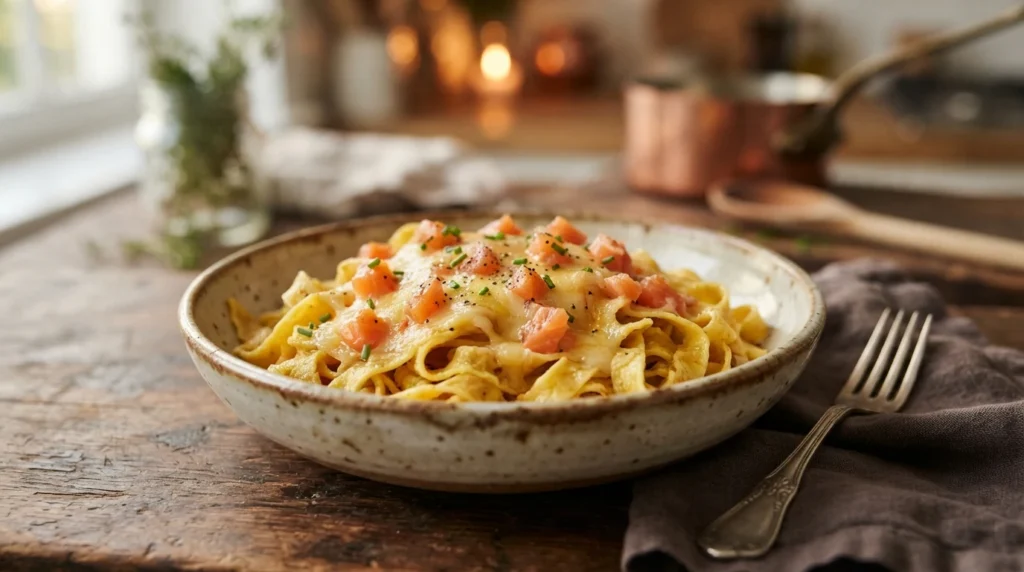

From Omelet to Noodle: A Low-Carb Pasta Hack
When the pantry runs dry or you need a quick, satisfying dinner, traditional egg noodles can seem like an impossible fix for those following a low-carbohydrate diet. The solution lies in repurposing your breakfast into an evening meal. By stretching thin omelets into flat strands, you create a texture and volume similar to pasta while keeping the carbohydrate count remarkably low. This technique transforms simple eggs into a versatile component that pairs well with meats, cheeses, and light sauces.
Recipe Overview
This method produces approximately 4 to 6 servings, depending on how thin you roll your omelets. Preparation time is roughly 15 minutes, including the cooking of the eggs and the rolling process. No advanced baking equipment is required; a standard kitchen setup will suffice.
Ingredients
- 4 large eggs, room temperature
- 2 tablespoons unsalted butter, melted
- 1/4 teaspoon sea salt
- 1/8 teaspoon black pepper
- Optional: 2 ounces smoked salmon or cooked chicken breast, diced (approx. 60 grams)
- Optional: 1 tablespoon heavy cream or half-and-half
Equipment
- Non-stick skillet (8-inch diameter recommended)
- Rolling pin
- Parchment paper or a large sheet of plastic wrap
- Serving bowl or plate for plating
Method
- Prepare the Skillet: Place your non-stick skillet over medium-low heat. Add the melted butter and swirl it to coat the bottom evenly. The surface should be hot but not smoking.
- Whisk the Eggs: In a small bowl, whisk the 4 eggs vigorously until the yolk and white are fully combined and slightly frothy. This ensures even cooking and a uniform texture.
- Cook the Omelet Base: Pour the egg mixture into the center of the skillet. Let it sit undisturbed for about 30 to 45 seconds until the edges begin to set but the center remains soft and jiggly.
- Add Seasonings and Fillings: Sprinkle the salt and pepper over the top. If using protein like smoked salmon or chicken, gently push the partially set egg down to create a pocket for the meat. Pour in the heavy cream if desired; it will bubble slightly as it cooks into the egg.
- Cheese Integration: Sprinkle grated sharp cheddar or Gruyère over the top. The residual heat of the skillet is sufficient to melt the cheese without needing a lid, which would steam the eggs and make them rubbery.
- The Rolling Technique: Once the egg is fully set but still warm (crucial for flexibility), carefully lift it from the pan using two spatulas. Place it onto your parchment paper or plastic wrap. While holding the edges with one hand, use a rolling pin to press down firmly and roll outwards until the omelet is as thin as possible—aiming for a consistency similar to flattened dough.
- Transfer the rolled sheet to a serving bowl or plate. If you have multiple batches, stack them gently without stretching further to avoid tearing.
Troubleshooting Common Issues
While this method is forgiving, a few pitfalls can affect the final texture.
- The Omelet Breaks While Rolling:Cause: The egg has cooled too much and become rigid.
Fix: If this happens, do not force it. Instead, reheat the omelet in the skillet for 30 seconds to soften it slightly, then attempt the roll again. - The Texture is Too Dense:Cause: Overcooking or using too many eggs per batch.
Fix: Ensure you do not overfill the pan. A single layer of egg cooks most efficiently; adding too much liquid can lead to uneven setting and toughness. - The Noodles Stick Together:Cause: Lack of separation between layers or insufficient rolling.
Fix: Ensure you are stretching the omelet as thin as physically possible. If stacking, place a sheet of parchment paper between layers to prevent them from fusing.
Serving Suggestions
These egg noodles work best when served warm and paired with savory elements. They hold up well in salads where they can be tossed with a vinaigrette, or as a base for creamy sauces. For a complete meal, top with sautéed spinach, mushrooms, or your choice of protein. The fat content from the butter and eggs provides satiety, making this a satisfying dish that mimics the comfort of traditional pasta without the heavy carb load.
Storage and Reheating
If you have leftovers, store them in an airtight container in the refrigerator for up to 3 days. To reheat, place the noodles in a skillet with a splash of water or broth over low heat. Cover the pan and warm gently for 2 to 3 minutes until heated through. Avoid microwaving directly without adding moisture, as this can cause the egg strands to become rubbery.
Substitution Notes
This recipe relies on eggs as its primary structural component. While almond flour or coconut flour might be used in other low-carb pasta recipes, they are not suitable here because they do not mimic the elasticity of beaten eggs. The integrity of this dish depends entirely on the protein content of the eggs and the fat from the butter.