


-0.2 C
New York
Monday, March 2, 2026

Buy now

spot_img
Home Blog Page 14

R&D Tax Credits: Why UK Businesses Need to Rethink Innovation in the Digital Age”

Innovation is the lifeblood of businesses today, but it’s also a term that’s often misunderstood. As UK companies strive to stay ahead, they’re under pressure to innovate while justifying every penny spent. But here’s the catch: not all innovation qualifies for R&D tax relief. And that’s where things get tricky.

The Innovation Muddle
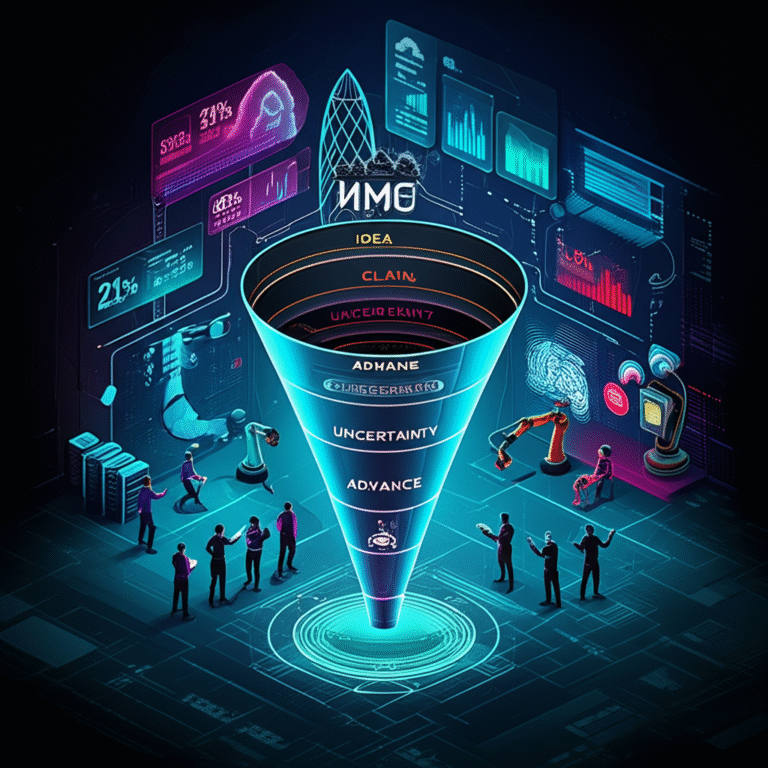
In boardrooms across the UK, ‘innovation’ is a buzzword that can mean anything from a minor product tweak to a groundbreaking tech advance. But when it comes to claiming R&D tax credits, HMRC has a very specific definition. It’s work that seeks a scientific or technological advance and resolves uncertainty. Yet, this often differs from how businesses interpret innovation in practice.

Many companies either overclaim, underclaim, or don’t claim at all due to this disconnect. And it’s no surprise that R&D claim volumes have dropped by 21% in 2022–23, with SME claims falling by 23%.

Navigating the New R&D Landscape
The merger of the SME and RDEC schemes last year brought new rules, reduced relief rates for some, and restricted overseas R&D eligibility. Now, all businesses claim at the same rate, allowing 20% as a taxable credit. But loss-making R&D-intensive SMEs can still claim more.

The additional information form is now mandatory for all claims, and companies need to document and justify their R&D activities in detail. This is where many businesses, especially larger ones, struggle with fragmented data and inconsistent definitions of innovation.

The Risk of Doing Nothing
Recent headlines have shown that even digital-first companies aren’t immune to HMRC’s scrutiny. A men’s health app faced a £400k clawback, and a founder called the crackdown “a horrible situation” that punishes genuine innovation. These cases highlight the need for businesses to align their technical work with HMRC’s guidelines, not just their commercial positioning.

So, What Should Businesses Do?
1. Rethink R&D Relief: Stop treating it as a year-end checkbox and start seeing it as a strategic tool to support innovation investment.
2. Align Internal Definitions: Match your company’s view of innovation with HMRC’s terminology. This often requires cross-functional coordination.
3. Invest in the Right Systems: Embed structured documentation into technical workflows to create a verifiable trail of your innovation efforts.

Government and Industry: Working Together
For the UK to become a global innovation leader, we need to remove the friction holding businesses back. That starts with redefining and demystifying R&D. Technology can help standardize digital record-keeping and make the process more transparent. And government guidance that reflects how technical teams actually work would help close the gap between policy and practice.

HMRC’s scrutiny isn’t going away, but with the right definitions, tools, and processes, businesses can be empowered, not discouraged, to innovate.

Unlocking Innovation: Why UK Businesses Need a Closer Look at R&D in the Digital Age”

Innovation, the lifeblood of businesses, is more crucial than ever, yet it’s often shrouded in confusion. As UK companies strive to stay ahead, they’re under pressure to innovate while justifying every penny spent. But here’s the catch: many are struggling to understand and utilize research and development (R&D) tax incentives, leading to missed opportunities and compliance issues.

When “innovation” isn’t what it seems

In boardrooms across the UK, ‘innovation’ is a buzzword for progress. But when it comes to claiming R&D tax credits, the HMRC’s definition is more specific. R&D, according to them, is work that aims to achieve a scientific or technological advance and solve uncertainty. However, this often differs from how businesses interpret innovation, leading to misconceptions and incorrect claims.

Some companies might overlook their eligible activities, thinking they’re “too routine,” while others might claim commercially-driven changes without a technical challenge. This ambiguity results in businesses either overclaiming (risking enquiries), underclaiming (missing out), or not claiming at all.

The drop in R&D claims: A sign of confusion?

HMRC figures show a 21% drop in R&D claims in 2022–23 compared to the previous year, with SME scheme claims falling by 23%. This could be due to the hesitation caused by the disconnect between policy and practice.

Navigating the new R&D landscape

The merger of the SME and RDEC schemes last year introduced new rules, reduced relief rates for some, and restricted overseas R&D eligibility. Now, all businesses claim at the same rate, allowing 20% as a taxable credit. But loss-making R&D-intensive SMEs can still claim more.

The additional information form is now mandatory for all claims, requiring detailed justification of R&D activities. This complexity has increased the risk of non-compliant claims, with HMRC investigating 20% of all R&D tax claims, a fivefold increase since 2022.

Lessons from SMEs

Startups and scaleups often have an advantage in aligning their R&D activities with HMRC eligibility criteria. Their agile processes and integrated digital tools allow them to capture technical progress in real-time, creating audit-ready documentation.

However, larger businesses often struggle with fragmented data, inconsistent definitions of innovation, and siloed R&D processes. This increases the risk of filing non-compliant claims, as recent headlines about digital-first companies facing clawbacks have shown.

What businesses can do

1. Rethink R&D relief: View it as a strategic instrument to support innovation investment, not a year-end checkbox.
2. Match internal definitions: Ensure your understanding of innovation aligns with HMRC’s terminology.
3. Invest in the right systems: Embed structured documentation into technical workflows to create a verifiable trail of innovation efforts.

Government and industry: Working together

To make the UK a global innovation leader, we need to demystify R&D and ensure businesses can identify, fund, and articulate their innovation efforts with confidence. Standardizing digital record-keeping, encouraging integrated tools, and providing guidance that reflects how technical teams work can help close the gap between policy and practice.

HMRC’s scrutiny is here to stay, but with the right definitions, tools, and processes, businesses can be empowered, not discouraged, to innovate.

🚀 Grab This Fitbit Inspire 3 Deal Before It’s Gone!

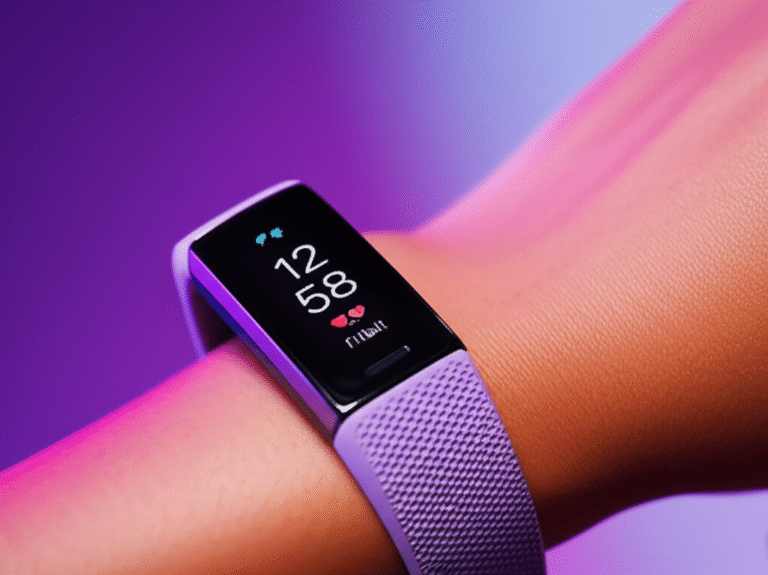
Ever found yourself drooling over Fitbit’s fantastic fitness trackers but held back by their price tags? Well, hold onto your hats, because Amazon’s just slashed the price of the Fitbit Inspire 3, making it one of the cheapest smartwatch deals out there right now! 💥

For just $79.93 (down from $99.95), you can snatch up this little beauty in any of its gorgeous colorways – Lilac Bliss, Midnight Zen, or Morning Glow. Now, it has been cheaper before, but this is still a steal for an entry-level fitness tracker that punches well above its weight. 💪

Across the pond, our UK friends can also get in on the action. Use the voucher on Amazon’s product page to grab the Fitbit Inspire 3 for £67.20 (down from £84). It’s not the lowest it’s ever been, but it’s still a fantastic price for what you’re getting.

So, what makes the Fitbit Inspire 3 such a great deal? Let me tell you, this little guy is packed with features that’ll make you wonder how they crammed so much into such a tiny package. 🌟

– 10-day battery life: Yep, you read that right. You won’t be charging this bad boy every night.
– 24/7 heart rate monitoring: Keep an eye on your ticker throughout the day and night.
– Daily readiness score: Get a daily boost of confidence with a score that tells you what you’re capable of.
– Notifications: Stay connected with alerts from your Android phone right on your wrist.
– Sleep, heart rate, and SpO2 monitoring: Track your sleep patterns and blood oxygen levels while you snooze.

Our review team gave the Fitbit Inspire 3 a big thumbs up, praising its ease of use, excellent health-tracking features, and colorful AMOLED display. Plus, it’s packed with features like sleep, heart rate, and SpO2 monitoring – all for an incredibly low price.

Now, we’re not saying it’s perfect. The screen could be a tad brighter, and to unlock all its features, you’ll need to sign up for Fitbit Premium. But for the price, you’re getting an awful lot.

So, what are you waiting for? Don’t miss out on this fantastic deal! 🛍️ Whether you’re just starting your fitness journey or looking for an affordable upgrade, the Fitbit Inspire 3 is a no-brainer.

Why Your Leadership is Stuck in the Past: The Power of Agentic AI”

Ever felt like you’re drowning in data, but still can’t see the wood for the trees? You’re not alone. Even with mountains of information at our fingertips, organizations worldwide are held back by silos, slow reports, and human bias. Executives are buried under dashboards that tell them what happened, but not why it matters. The result? Missed opportunities, unmanaged risks, and decisions made with blinkers on.

Enter Agentic AI, a game-changer powered by a context catalog. Unlike passive systems, it takes the initiative. It continuously monitors data, connects signals across different domains, spots anomalies, and surfaces the insights that truly matter to leaders. The shift? From playing catch-up to seeing what’s coming.

Today’s challenge isn’t gathering data; it’s making it useful fast. Agentic AI with a context catalog does just that. It doesn’t just visualize numbers; it contextualizes them, links signals across systems, highlights patterns, and suggests next steps. Instead of just saying “sales dropped,” it could tell you why and what to do about it.

This isn’t just about more information; it’s about relevant, immediate insights. It’s the shift from descriptive analytics to prescriptive intelligence. With a context catalog as its foundation, Agentic AI moves leadership from admiring data to acting on it, faster, earlier, and with more confidence.

But AI isn’t here to replace us. It’s a co-pilot, extending our reach but not absolving our judgment. It runs continuous analysis, draws connections, tests scenarios, and suggests actions, but the final call is always ours.

Not all AI is equal. Static dashboards or narrow machine learning models can describe the past, but Agentic AI can engage, adapt, and act within business parameters. A context catalog ensures insights aren’t isolated but connected to the bigger picture.

For leaders, that means reduced lag, contextual insights, scalable decision-making, and resilient systems that adapt to change. It’s the backbone of decision intelligence platforms, ensuring every decision, from the boardroom to the front line, is faster, sharper, and better informed.

In the AI era, leadership isn’t just about vision; it’s about making that vision actionable. Those who build intelligent infrastructure and embrace decision intelligence will set the pace. Those who don’t will be left playing catch-up.

The age of decision intelligence is here. Powered by Agentic AI and grounded in a context catalog, it gives leaders a choice: adapt now or be left behind. The future is here, and it’s not waiting for anyone.

🌿 Google’s Nest Thermostats Just Got a Blooming Makeover!

Ever wished your Nest Learning Thermostat (4th Gen) could double as a piece of wall art? Well, Google’s just made that wish come true! They’ve rolled out new faces for the thermostat, and they’re a breath of fresh air.

The standout feature is a subtly animated botanical face that changes with the seasons. Each month, you’ll see 12 different illustrations of fruits and flowers, making your thermostat a little slice of nature. Check out the video below to see it in action.

These new faces are the brainchild of illustrator, animator, and filmmaker Mathilde Loubes. They’re designed to be applied to the thermostat’s Farsight screen, which lights up when there’s activity nearby. Once you’re close enough, it’ll switch to show you the temperature, time, and other useful info.

But that’s not all! Google’s also added three new, simpler faces to the Farsight gallery. There’s a classic Nest face, a minimalist face, and a temperature controller face. Each one adds a touch of style to your thermostat.

This update comes hot on the heels of Google’s announcement of new Nest devices, including a video doorbell and security cameras. It’s clear that Google’s not done with Nest yet, and we can’t wait to see what’s next.

So, which face will you choose? The botanical beauty, the classic Nest look, or something simpler? The choice is yours!

🚨 178,519 Records Exposed: Your Personal Info Might Be at Risk!

🔐 Breach Alert! A cybersecurity researcher, Jeremiah Fowler, has stumbled upon a treasure trove of personal data – almost 200,000 records – left unguarded in a publicly exposed database. Here’s the lowdown:

🔑 What’s at stake? The database, containing 178,519 files, was left wide open without any encryption or password protection. Fowler found personally identifiable information (PII) such as names, addresses, phone numbers, tax IDs, and more.

💡 Who’s affected? Fowler suspects the data belongs to users of Invoicely, a small business billing platform. However, it’s unclear if the database is managed directly by the company or a third party.

🚨 Why should you care? With PII exposed, there’s a real risk of identity theft. Criminals could use your details to open credit cards or loans in your name. Plus, with financial info like tax documents involved, threat actors could launch fraud, phishing, or even target your business partners.

💰 Tax time trouble? Around 6,000 tax returns were filed using stolen identities in 2021, creating headaches for unsuspecting taxpayers.

🛡️ Fowler’s advice: “Limit the collection and retention of personal data when possible,” he says. “Encrypt sensitive information to add an extra layer of security.”

📢 Stay safe, stay informed! Keep an eye on TechRadar for more news, reviews, and tips to protect your digital life. And don’t forget to follow us on Google News, TikTok, and WhatsApp!

Google’s $15 Billion Data Center Bonanza: India’s New AI Hub Outside the US!”

💥 Hold onto your seats, folks! Google just dropped a bombshell, announcing a whopping $15 billion investment in India’s largest AI hub outside the US. This isn’t just any data center; it’s a campus, and it’s set to be the biggest in Asia, both in capacity and investment size. The cherry on top? It’s coming to the vibrant city of Visakhapatnam!

🤝 This massive project is a collaboration between Google, the mighty Adani Group, and India’s very own Airtel. But wait, there’s more! It also includes a shiny new international subsea gateway. Talk about a powerhouse team-up!

🌍 The global AI data center race is heating up, and India is now a major player on the track. Google Cloud CEO Thomas Kurian couldn’t contain his excitement, “It’s the largest AI hub that we’re investing in anywhere in the world outside of the US.”

💚 But let’s not forget about the environment. Data centers can be energy guzzlers, and we’re all about sustainability here. The state IT minister, Nara Lokesh, reassured us, “In an era where data is the new oil, such initiatives will serve as a strategic advantage.”

🌐 Meanwhile, the rest of the world is not sitting still. The UAE is set to switch on the first 200 megawatts of its planned 5-gigawatt AI campus next year. Microsoft’s building the ‘world’s most powerful data center’ in a billion-dollar AI spending spree. And Amazon? Well, they’ve already spent over $100 billion on data centers, aiming to increase their 32% cloud market share.

So, buckle up, folks! The AI data center race is on, and India’s in the lead with Google’s game-changing investment. The future of AI is here, and it’s happening in Visakhapatnam! 🚀💻🇮🇳

🚨 Attention, Athletes! Here’s Which Garmin Devices Work with Oakley’s Meta Vanguard Smart Glasses

🏃‍♂️🚴‍♀️ Hey there, fitness enthusiasts! The new Oakley Meta Vanguard glasses, unveiled at Meta Connect 2025, are a game-changer for athletes. They sync with your Garmin device to give you real-time stats hands-free – like asking “Hey Meta, what’s my heart rate?” or “What’s my pace?” – and even auto-share milestones on your favorite social media platforms. But here’s the catch: not all Garmin devices are compatible. I found that out the hard way, so I’ve done the digging for you!

💡 Which Garmin devices are compatible? Here’s the full list, from smartwatches to bike computers:

Smartwatches:
– D2 Mach 1, D2 Mach 1 Pro
– Enduro 2, Enduro 3
– Epix Gen 2, Epix Pro Gen 2
– Fenix 7, Fenix 7S Pro, Fenix 7X Pro, Fenix 8, Fenix 8 Pro, Fenix E
– Forerunner 165, Forerunner 265, Forerunner 265S, Forerunner 570, Forerunner 965, Forerunner 970
– Marq (Gen 2) Adventurer, Marq (Gen 2) Athlete, Marq (Gen 2) Aviator, Marq (Gen 2) Captain, Marq (Gen 2) Carbon Edition, Marq (Gen 2) Commander, Marq (Gen 2) Golfer
– Quatix 7, Quatix 7 Pro, Quatix 7XT
– Tactix 7, Tactix 8, Tactix 8 Solar
– Venu 3, Venu 3S, Venu 4, Venu X1
– Vivoactive 6

Bike Computers:
– Edge 540, Edge 550, Edge 840, Edge 850, Edge 1040, Edge 1050, Edge MTB

💭 Which Garmin should I buy? If you’re in the market for a new Garmin watch to pair with your Oakley Meta Vanguard specs, here are our top picks:

1. Garmin Venu X1 – Our top choice for both fitness fanatics and casual users. It’s excellent for both workouts and everyday use.
2. Garmin Fenix 8 – A premium pick with advanced GPS, a new heart rate sensor, and impressive battery life. It even has a dive mode!
3. Garmin Fenix 8 Pro – An upgraded version of the Fenix 8 with LTE connectivity and satellite communication, perfect for adventurers.
4. Garmin Forerunner 165 – Our favorite budget Garmin watch, offering great features at an affordable price.

So, there you have it! Now you can make an informed decision and enjoy the full potential of your Oakley Meta Vanguard smart glasses. Happy training! 🏋️‍♀️🚵‍♂️

Oops! Pro-Russian Hackers Fall for Fake Dutch Water Facility Trap”

In an unexpected twist, a relatively new pro-Russian hacktivist group, TwoNet, recently found themselves tricked into attacking a decoy target. The group, known for their cyber activities, breached what they believed was a real Dutch water facility organization. They managed to log in using default credentials and exploited a vulnerability to deface the website. But here’s where it gets interesting – the facility was fake!

The website and infrastructure were all part of an elaborate ruse set up by cybersecurity researchers at Forescout. They created a ‘honeypot’ – a trap designed to lure cybercriminals into revealing their tactics, techniques, and procedures (TTP). After successfully breaching the fake facility, TwoNet took to their Telegram channel to boast about their accomplishment, only to find out they’d been tricked.

This isn’t the first time hackers have fallen for such traps. Last year, a fake healthcare clinic also caught a few threat actors. However, this is the first time hackers have publicly claimed to have breached something that wasn’t real. “Groups moving from DDoS/defacement to OT/ICS often misread targets, trip over honeypots, or over-claim,” the researchers explained.

Cybercriminals are increasingly targeting critical infrastructure organizations, like water and wastewater treatment facilities, power plants, and data centers. Most of the time, these are ransomware actors aiming to force companies to pay a ransom to avoid operational downtime. In some cases, the attackers are state-sponsored, with motives ranging from cyber-espionage to setting up potential ‘kill-switches’.

So, while TwoNet might have thought they’d scored a big win, they’ve actually provided valuable insights into their tactics. Stay tuned for more updates on the ever-evolving world of cybersecurity!

Plug into the Future: Duracell’s Giant Battery EV Chargers Hit UK This Year! 🚗⚡️”

Buckle up, UK! Duracell is about to make charging your electric vehicle (EV) as recognizable as popping a battery into your remote. The iconic brand is rolling out its first charging stations this year, with a whopping 500 charging points planned by 2030. These aren’t your average charging points, oh no! They’re designed to look like Duracell’s giant batteries, giving you that familiar black-and-bronze branding from a mile away.

The EV Network is funding this venture, and Elektra Charge will be installing these bad boys across the UK. No global rollout plans yet, but fingers crossed! According to The Times, we can expect six sites by the end of 2022, with a grand total of 100 sites and 500 charging points by 2030. If all goes well, we might see these popping up across Europe and beyond.

Mark Bloxham, chief development officer of The EV Network, knows that the unfamiliarity of charging can put people off EVs. But with a household name like Duracell, he reckons we’ll feel that instant familiarity and trust. Each charging outlet will power up two cars at once, delivering speeds of about 400kW – that’s some serious juice!

And the best part? No more confusing pricing or payment methods. These charging sites will offer clear pricing and the option to pay in-app, via contactless, or with plug-and-go technology if your EV supports it.

So, are you ready to charge your EV from a giant Duracell battery? It might not be the most innovative thing out there, but it sure is a fun and familiar way to power up your ride. Just don’t expect the Duracell bunny to hop by and give you a hand! 🐇💨

Follow by Email
YouTube
WhatsApp