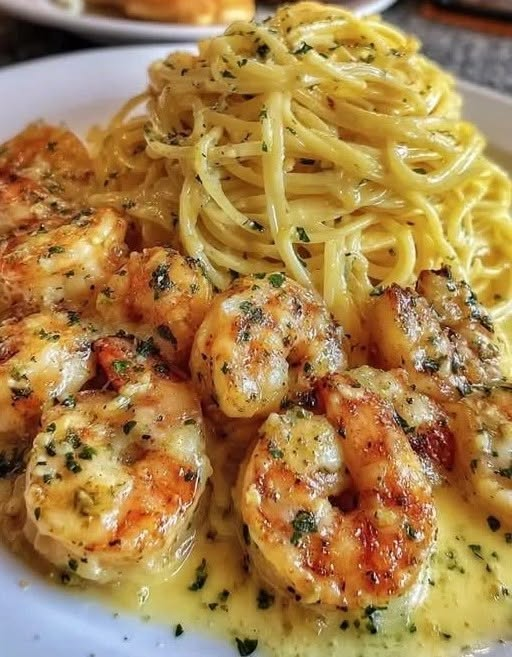

Garlic Butter Shrimp Scampi Pasta combines juicy, tender shrimp with al dente pasta tossed in a rich garlic-butter sauce brightened with fresh lemon and parsley. The buttery sauce coats every strand of pasta, while Parmesan adds a savory finish that makes this comforting dish hard to resist.
With shrimp providing lean protein, this recipe can fit nicely into a high-protein lifestyle when served with a balanced portion of pasta. For a lower-carb version, swap traditional pasta for zucchini noodles, shirataki noodles, or another low-carb pasta alternative.
Can This Garlic Butter Shrimp Scampi Pasta Support Weight Loss Goals?
Yes, it can fit into a balanced weight-management eating pattern when portion sizes are appropriate. Shrimp provides protein while pasta supplies carbohydrates for energy, and keeping the butter and Parmesan measured helps control overall calories. For a lighter, lower-carb meal, use zucchini noodles or another low-carb pasta alternative and increase the shrimp portion.
Does Garlic Butter Shrimp Scampi Pasta Fit a High-Protein Lifestyle?
Yes, shrimp makes this dish naturally protein-rich, providing approximately 31 g of protein per serving in the recipe below. Traditional pasta increases the carbohydrate content, with approximately 42 g net carbs per serving, so it is not a low-carb dish as written. The shrimp, Parmesan, and optional Greek yogurt finish provide useful protein alongside the pasta. For a lower-carb version, substitute zucchini noodles or a high-protein/low-carb pasta.
Why This Recipe Is Special
- Protein-packed: Shrimp provides a generous serving of lean seafood protein.
- Rich garlic-butter flavor: Garlic, butter, lemon, and Parmesan create a classic scampi-style sauce.
- Quick dinner: Ready in roughly 30 minutes.
- Comforting: Al dente pasta and buttery sauce make it satisfying without being complicated.
- Easy to customize: Swap the pasta for a low-carb alternative or add vegetables.
My Personal Experience
- The garlic-butter sauce is the star of this dish.
Fresh garlic gently cooked in butter creates an incredible aroma before the shrimp even hits the pan.
Lemon juice then cuts through the richness and keeps the sauce bright. - Shrimp cooks incredibly quickly.
I love that the shrimp only needs a few minutes in the pan to become tender and juicy.
Cooking it briefly also helps prevent that rubbery texture overcooked shrimp can develop. - The pasta absorbs the sauce beautifully.
Tossing the pasta directly in the skillet allows the garlic butter, lemon, and Parmesan to coat every strand.
A splash of pasta water helps turn the sauce silky rather than greasy. - It feels like restaurant food without complicated preparation.
The combination of shrimp, garlic, butter, lemon, and parsley looks impressive on the plate.
Yet the whole meal comes together with simple ingredients and one main skillet.
Perfect For
- Quick weeknight dinners: A flavorful meal that can be ready in about 30 minutes.
- Date-night dinners: Garlic butter shrimp and lemon make the dish feel special.
- High-protein meal plans: Shrimp provides a substantial amount of protein.
- Meal prep: Store portions separately and reheat gently.
- Family dinners: A simple pasta dish that combines familiar flavors with seafood.
- Lower-carb plans: Replace regular pasta with zucchini noodles or another low-carb alternative.
Why You’ll Love This Recipe
- Tender, juicy shrimp: Cooked quickly in garlic butter for maximum flavor.
- Silky sauce: Pasta water, butter, lemon, and Parmesan create a glossy coating.
- High in protein: Shrimp makes this much more protein-rich than a basic pasta dish.
- Bright lemon flavor: Fresh lemon balances the richness of the butter and Parmesan.
- Ready quickly: Perfect when you want a restaurant-style dinner without spending hours cooking.
Common Mistakes to Avoid
- Overcooking the shrimp — Shrimp should turn pink and opaque and curl gently; excessive cooking makes it rubbery.
- Burning the garlic — Garlic should be cooked over medium to medium-low heat until fragrant, not dark brown.
- Overcooking the pasta — Cook it just until al dente because it will continue cooking briefly in the sauce.
- Skipping pasta water — Reserved pasta water helps emulsify the butter and Parmesan into a smoother sauce.
Required Equipment
- Large pot — Provides enough water for the pasta to cook evenly.
- Large skillet — Gives the shrimp and pasta enough room to cook and combine properly.
- Colander — Quickly drains the cooked pasta while allowing you to reserve pasta water.
- Tongs — Make tossing pasta through the sauce easy without breaking it.
- Microplane or fine grater — Produces finely grated garlic and Parmesan for better distribution.
- Measuring cups and spoons — Keep butter, lemon juice, and seasonings consistent.
Storage Instructions
Allow leftovers to cool slightly before transferring them to airtight glass or food-safe containers. Refrigerate within about 2 hours and consume within 3 days.
For meal prep, divide the pasta and shrimp into individual containers so portions are easy to reheat.
Freezing is possible, although the pasta and creamy butter-based sauce may lose some texture after thawing. If freezing, place cooled portions in freezer-safe airtight containers and use within 1–2 months for best quality.
To reheat, add a small splash of water or broth and warm gently in a skillet over low to medium-low heat until heated through. Avoid prolonged high heat because shrimp can become tough.
Recipe Details
Preparation Time: 10 minutes
Cooking Time: 20 minutes
Total Time: 30 minutes
Servings: 4
Best Season: All-season
Total Calories: Approximately 535 calories per serving
Short 3-Line Description
Tender shrimp and al dente pasta are tossed in a fragrant garlic-butter sauce with fresh lemon and Parmesan.
Every bite is savory, buttery, bright, and packed with satisfying seafood flavor.
A delicious high-protein pasta dinner that can easily be adapted into a lower-carb meal.
📝 Ingredients
For the Pasta
- 8 oz (225 g) linguine or spaghetti
- 1 lb (450 g) large shrimp, peeled and deveined
- 3 tablespoons unsalted butter
- 1 tablespoon extra-virgin olive oil
- 5 garlic cloves, finely minced
- ½ teaspoon red pepper flakes, optional
- ½ cup low-sodium chicken or seafood broth
- 3 tablespoons fresh lemon juice
- 1 teaspoon lemon zest
- ½ cup freshly grated Parmesan cheese
- ¼ cup fresh parsley, chopped
- ½ teaspoon salt
- ¼ teaspoon black pepper
- ½ cup reserved pasta water
Note: Use raw shrimp rather than pre-cooked shrimp for the best texture. If using frozen shrimp, thaw completely and pat very dry before cooking.
Directions
1. Cook the pasta
Bring a large pot of salted water to a boil over high heat.
Add the linguine or spaghetti and cook according to the package directions, usually 8–10 minutes, until al dente.
Before draining, reserve ½ cup pasta water.
2. Prepare the shrimp
Pat the shrimp dry with paper towels.
Season both sides lightly with salt and black pepper.
Dry shrimp sears better and develops better flavor in the skillet.
3. Sear the shrimp
Heat a large skillet over medium-high heat.
Add olive oil and 1 tablespoon of butter.
Add the shrimp in a single layer and cook for approximately 1½–2 minutes per side.
The shrimp should become pink, opaque, and gently curled.
Remove the shrimp from the skillet and set aside.
High-protein tip: Avoid overcooking the shrimp because lean protein becomes firm and rubbery when exposed to heat for too long.
4. Cook the garlic
Reduce the heat to medium-low.
Add the remaining 2 tablespoons butter.
Add minced garlic and red pepper flakes.
Cook for approximately 30–60 seconds, stirring constantly, until fragrant.
Do not allow the garlic to become dark brown.
5. Build the sauce
Pour in the broth and lemon juice.
Add lemon zest and stir.
Simmer over medium-low heat for 2–3 minutes.
The sauce should look slightly reduced but still fluid.
6. Add the pasta
Add the drained pasta directly to the skillet.
Pour in about ¼ cup reserved pasta water.
Toss with tongs for 1–2 minutes over low heat.
Add more pasta water a tablespoon at a time if needed.
The sauce should become glossy and lightly coat the pasta.
7. Add Parmesan
Turn the heat to low.
Sprinkle in Parmesan and toss gently until melted into the sauce.
The finished sauce should look silky rather than oily.
8. Return the shrimp
Add the cooked shrimp back to the skillet.
Toss gently for approximately 30–60 seconds, just until the shrimp is heated through.
9. Finish and serve
Turn off the heat.
Add fresh parsley and adjust salt, pepper, and lemon juice to taste.
Serve immediately with additional Parmesan and lemon wedges if desired.
High-protein tip: For a higher-protein and lower-carb version, use 1½ lb shrimp and replace the pasta with zucchini noodles or a suitable high-protein low-carb pasta.
Nutrition Facts
Per Serving — Approximate
- Calories: 535 kcal
- Fat: 21 g
- Cholesterol: 235 mg
- Sodium: 720 mg
- Potassium: 410 mg
- Total Carbohydrates: 45 g
- Fiber: 3 g
- Net Carbs: 42 g
- Sugars: 3 g
- Protein: 31 g
- Calcium: 220 mg
Nutrition values are approximate and may vary depending on pasta brand, shrimp size, butter, Parmesan, broth, and serving size.
Notes
- Storage: Refrigerate leftovers in airtight containers for up to 3 days.
- Reheating: Warm gently in a skillet over low to medium-low heat with a splash of water or broth.
- Freezing: Freeze for up to 1–2 months, although the pasta texture may change slightly after thawing.
- Allergy note: Contains shellfish, dairy, and gluten when regular wheat pasta is used.
- Gluten-free option: Use certified gluten-free pasta.
- Lower-carb option: Replace pasta with zucchini noodles, spaghetti squash, shirataki noodles, or a suitable low-carb pasta.
- Flavor boost: Add extra lemon zest, fresh parsley, red pepper flakes, or a small amount of grated Parmesan.
- Extra protein: Increase the shrimp portion or add a small amount of cooked chicken.
- Creamier variation: Stir in 2 tablespoons of plain Greek yogurt off the heat for additional creaminess and protein.
Frequently Asked Questions
Can I use frozen shrimp?
Yes, thaw frozen shrimp completely and pat it dry before cooking for the best browning and texture.
How do I prevent shrimp from becoming rubbery?
Cook the shrimp only until pink and opaque, usually about 1½–2 minutes per side depending on size.
Can I use another type of pasta?
Yes, spaghetti, fettuccine, angel hair, or a suitable high-protein or low-carb pasta can be used.
Is shrimp scampi high in protein?
Yes, shrimp makes this version protein-rich, with approximately 31 g of protein per serving.
Can I make this recipe low-carb?
Yes, replace the regular pasta with zucchini noodles, shirataki noodles, spaghetti squash, or another low-carb alternative.
Can I make the sauce without Parmesan?
Yes, you can omit Parmesan, although the sauce will be slightly lighter and less creamy and savory.