
This easy chickpea flatbread is a naturally gluten-free wrap with a tender center, lightly crisp edges, and enough flexibility to hold your favorite fillings. Made with chickpea flour, water, olive oil, and a few simple seasonings, it is an affordable and nutritious alternative to traditional bread and tortillas.
Chickpea flatbread is especially useful when you need a quick homemade option without yeast, kneading, or long rising times. The batter takes only a few minutes to prepare, and the flatbreads cook quickly in a skillet. Serve them with roasted vegetables, hummus, grilled chicken, scrambled eggs, salad, or cheese for an easy breakfast, lunch, dinner, or snack.
Why You Will Love This Chickpea Flatbread
- Naturally gluten-free: Chickpea flour contains no wheat gluten.
- Easy to prepare: The batter requires only a bowl and a whisk.
- Flexible and sturdy: The flatbread can be folded or rolled without breaking when cooked correctly.
- Protein-rich: Chickpea flour provides more protein than many traditional refined-flour wraps.
- Budget-friendly: The ingredients are simple and inexpensive.
- Versatile: Use it as a wrap, sandwich base, dipping bread, or pizza-style crust.
What Is Chickpea Flour?
Chickpea flour, also called gram flour or besan, is made by grinding dried chickpeas into a fine powder. It has a naturally nutty flavor and a pale golden color. When mixed with water and cooked, it creates a batter that sets into a soft, flexible flatbread.
Chickpea flour is different from regular wheat flour, so the batter behaves differently. It does not need yeast or gluten development. The most important factors are allowing the batter to rest, using the correct amount of water, and cooking the flatbread over moderate heat.
Ingredients
- 1 cup chickpea flour
- 3/4 cup water, plus more if needed
- 1 tablespoon olive oil
- 1/2 teaspoon salt
- 1/4 teaspoon ground black pepper
- 1/2 teaspoon garlic powder
- 1/2 teaspoon dried oregano or cumin
- Oil for greasing the skillet
For a softer flatbread, add one tablespoon of plain yogurt to the batter. For a thinner wrap, use a little extra water. Fresh herbs, chili flakes, smoked paprika, turmeric, or chopped spring onions can also be added for extra flavor.
How to Make Chickpea Flatbread
1. Combine the Flour and Seasonings
Add the chickpea flour, salt, pepper, garlic powder, and oregano to a medium mixing bowl. Whisk the dry ingredients together to break up any lumps and distribute the seasonings evenly.
2. Add the Water Gradually
Slowly pour the water into the bowl while whisking continuously. Adding the water gradually helps prevent lumps. Continue whisking until the batter is smooth and resembles a thin pancake batter.
Stir in the olive oil. If the batter appears very thick, add another tablespoon of water. It should pour easily but should not look watery.
3. Rest the Batter
Let the batter rest for at least 15 minutes. This gives the chickpea flour time to absorb the water and helps create a smoother, more cohesive flatbread.
If you have extra time, resting the batter for up to 30 minutes can improve the texture even further. Whisk it once more before cooking because some flour may settle at the bottom of the bowl.
4. Heat the Skillet
Place a nonstick skillet or well-seasoned cast-iron pan over medium heat. Lightly brush the surface with oil. The pan should be hot enough for the batter to begin setting quickly, but not so hot that the outside browns before the center cooks.
To test the temperature, sprinkle a few drops of water into the skillet. They should sizzle gently and evaporate within a few seconds.
5. Cook the Flatbread
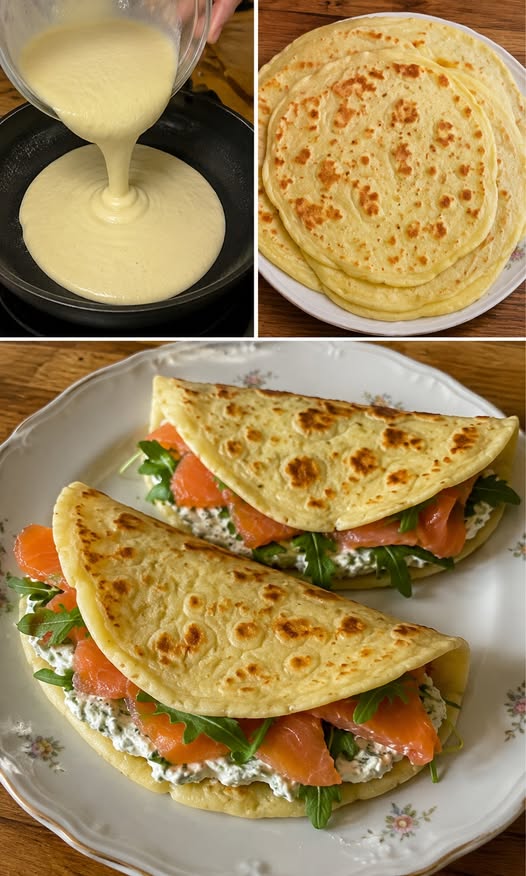
Pour about 1/4 cup of batter into the center of the skillet. Immediately tilt and rotate the pan to spread the batter into a thin circle. You can also use the back of a spoon to spread it gently.
Cook for 2 to 3 minutes, or until the surface looks mostly set and the edges begin to lift. Carefully loosen the edges with a thin spatula, then flip the flatbread.
Cook the second side for 1 to 2 minutes, until lightly golden and fully cooked. Transfer it to a plate and cover it with a clean kitchen towel while you prepare the remaining flatbreads.
The Key to a Wrap That Does Not Break
The most important detail is not making the flatbread too thin. A paper-thin flatbread may become crisp and fragile, especially if it is cooked for too long. Aim for a thin but sturdy layer that can be lifted easily with a spatula.
Do not cook the flatbread over very high heat. High heat can dry the edges before the center has enough time to set. Medium heat allows the flatbread to cook evenly while keeping it flexible.
Stacking the cooked flatbreads and covering them with a towel traps gentle steam. This keeps them soft while the remaining batter cooks. If they become slightly firm, warm them briefly in a skillet before filling.
Common Mistakes to Avoid
Using Too Little Water
A thick batter creates a dense flatbread that may crack when folded. Add water gradually until the batter flows easily from the whisk.
Skipping the Resting Time
Cooking immediately can result in a grainier texture. Resting allows the flour to hydrate and helps the flatbread hold together.
Making the Flatbread Too Large
Very large flatbreads are harder to flip and more likely to tear. Start with smaller wraps until you become comfortable with the batter.
Flipping Too Early
If the surface is still wet, the flatbread may tear when flipped. Wait until the edges look dry and the center is mostly set.
Overcooking
Long cooking times remove moisture and make the flatbread brittle. Cook it only until both sides are set and lightly colored.
Flavor Variations
For a Mediterranean-style flatbread, add oregano, chopped parsley, garlic, and a pinch of paprika. Serve it with hummus, cucumber, tomato, olives, and feta.
For a spicy version, mix in chili flakes, cayenne pepper, or finely chopped jalapeño. A little lime juice added to the finished batter can brighten the flavor.
For an herbed breakfast wrap, use chives, basil, or dill. Fill the flatbread with scrambled eggs, avocado, and cheese.
For a curry-inspired variation, add cumin, coriander, turmeric, and a small pinch of garam masala. This version pairs well with roasted vegetables, lentils, or a yogurt sauce.
You can also stir finely grated carrot, chopped spinach, or spring onions into the batter. Keep vegetable pieces small so they do not interfere with spreading or flipping.
How to Use Chickpea Flatbread
These flatbreads can be used in many different ways. Fill them with grilled chicken, lettuce, tomato, cucumber, and a simple yogurt dressing for a satisfying lunch. For a vegetarian wrap, combine roasted peppers, zucchini, mushrooms, hummus, and fresh greens.
They are also delicious for breakfast. Add scrambled eggs, sautéed spinach, sliced avocado, and a sprinkle of cheese. For a quick snack, cut the flatbread into pieces and serve it with hummus, tzatziki, salsa, or bean dip.
Use a thicker flatbread as a base for a quick skillet pizza. Spread it with tomato sauce, add mozzarella and vegetables, then cover the skillet briefly until the cheese melts.
Chickpea flatbread can also replace bread alongside soup or salad. Its nutty flavor complements creamy soups, roasted vegetables, lentils, and fresh herbs.
Storage Instructions
Allow the flatbreads to cool completely, then stack them with parchment paper between each one. Place the stack in an airtight container or reusable storage bag.
Store them in the refrigerator for up to four days. Reheat each flatbread in a dry skillet for 20 to 30 seconds per side. You can also warm them in the microwave for a few seconds, although a skillet helps restore their flexible texture.
Freezing Instructions
Chickpea flatbread freezes well. Place parchment paper between the cooled flatbreads and store them in a freezer-safe bag. Freeze for up to two months.
To use, thaw the flatbreads in the refrigerator or on the counter. Warm them in a skillet before serving. Do not overheat them, as they can become dry around the edges.
Frequently Asked Questions
Can I make this recipe without oil?
Yes, you can omit the oil from the batter and use a good nonstick pan. However, a small amount of oil improves the flavor and helps keep the flatbread tender.
Can I use a different flour?
This specific recipe is designed for chickpea flour. Other gluten-free flours absorb water differently and may require a different formula. For the most reliable results, use finely milled chickpea flour.
Why is my flatbread sticking?
The skillet may not be properly heated, or the surface may need a light coating of oil. Make sure the flatbread is set before trying to flip it, and use a thin spatula to loosen the edges.
Can I prepare the batter ahead of time?
Yes. Cover the batter and refrigerate it for up to 24 hours. Whisk it thoroughly before cooking and add a splash of water if it has thickened.
How thick should the flatbread be?
For wraps, aim for a thickness similar to a thin pancake. It should be flexible but strong enough to hold fillings. A slightly thicker flatbread is easier to handle and works well as dipping bread.
Final Thoughts
Chickpea flatbread is one of the easiest homemade gluten-free breads you can make. It requires no yeast, kneading, or special equipment, yet it produces a flexible and flavorful wrap that works with almost any filling.
Once you learn how the batter should look and how hot the skillet should be, the recipe becomes quick and dependable. Keep the flatbreads soft by avoiding overcooking, stack them under a clean towel, and warm them gently before serving. With simple ingredients and endless filling possibilities, this chickpea flatbread is a practical recipe to make again and again.