
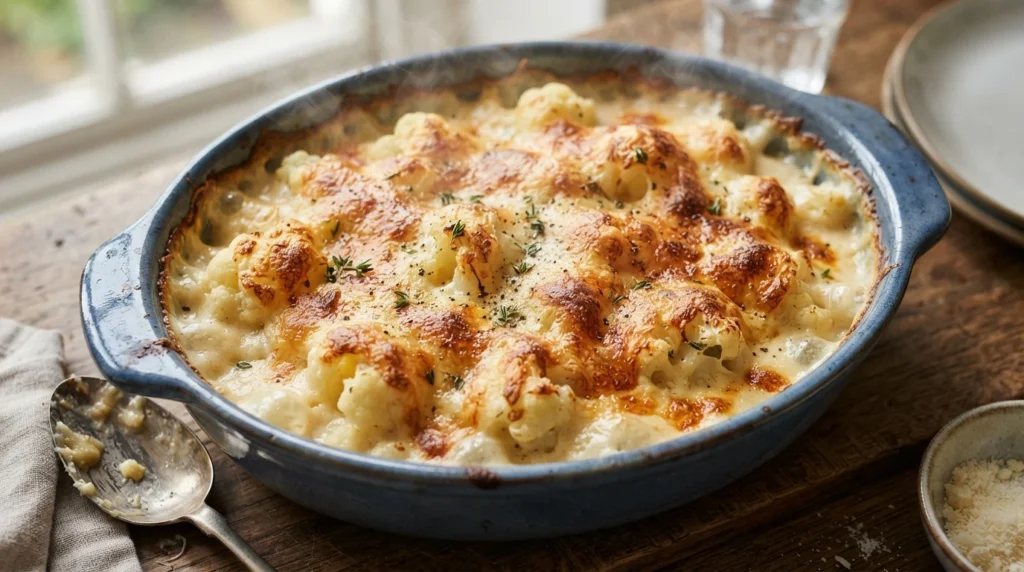

Transforming cauliflower into a cheesy, comforting dish is a classic culinary challenge. The main hurdle is preventing the filling from turning watery or separating during baking. For home cooks seeking a lower-carbohydrate alternative to traditional cheese sauce recipes, this guide explains how to achieve a smooth, cohesive texture without sacrificing flavor.
The Core Technique: Steaming and Drying
To ensure your cauliflower base remains firm rather than mushy or watery, proper preparation is critical. Simply steaming the florets often leaves excess moisture trapped inside the cells. Instead, aim for a texture where the cauliflower is soft enough to mash but still holds its shape slightly.
Preparation Steps
- Cut the cauliflower into uniform florets of approximately 2 inches in size. Uniformity ensures even cooking and prevents some pieces from disintegrating while others remain hard.
- Place the florets in a large pot with just enough water to cover the bottom by about an inch. Bring to a boil, then reduce heat and cover. Steam for 6 to 8 minutes. Test one piece; it should yield easily to a fork but not fall apart completely.
- Drain thoroughly in a colander. Transfer the hot florets to a large bowl or baking dish. Sprinkle generously with salt and let them sit uncovered for 10 to 15 minutes. This step allows surface moisture to evaporate, which is the single most effective way to prevent a soggy final product.
- Mash the cauliflower using a potato masher or fork until it resembles coarse crumbs. Do not over-mash into a puree, as this releases too much starch and water.
The Sauce: Creamy and Low-Carb
A traditional cheese sauce relies heavily on butter and flour for thickening, but the carbohydrates in flour can disrupt a ketogenic eating pattern. A smooth, low-carb alternative uses cream and parmesan cheese to create a rich emulsion that coats the cauliflower without adding significant carbs.
Ingredients
Main Components:
- Heavy cream: 2 cups (approx. 480g), preferably full-fat for richness.
- Grated Parmesan cheese: 1 cup (approx. 125g), finely grated for better meltability.
- Unsalted butter: 3 tablespoons (approx. 42g).
Seasoning:
- Salt and black pepper: To taste.
- Nutmeg: A pinch, enhances dairy flavor.
Method for Sauce
- In a heavy-bottomed saucepan over medium heat, melt the butter. Do not let it brown to avoid altering the flavor profile significantly.
- Add the cream and bring to a gentle simmer. Stir continuously to prevent scorching at the bottom of the pan.
- Remove from heat immediately. While stirring constantly with a whisk or immersion blender, add the grated parmesan cheese gradually. This prevents clumping and ensures a silky smooth consistency.
- Season with salt, pepper, and a pinch of nutmeg. Taste and adjust seasoning as needed. The sauce should be thick enough to coat the back of a spoon but pourable.
Assembly and Baking
Combining the components requires care to maintain the structural integrity of the dish. Overcrowding the baking dish can lead to uneven heating, causing the bottom to burn before the top is golden.
Step-by-Step Assembly
- Preheat your oven to 400°F (200°C). This high heat helps set the crust quickly without overcooking the interior.
- Grease a large baking dish or shallow casserole. A standard 9×13 inch pan works well for this yield.
- Spoon the mashed cauliflower into the prepared dish, spreading it evenly. If there are lumps, gently break them down with a spoon rather than adding more liquid.
- Pour the warm cheese sauce over the top. Distribute it evenly to ensure consistent flavor throughout.
- Top with an additional layer of parmesan cheese or breadcrumbs for browning. This adds texture and helps create a golden crust.
Troubleshooting Common Issues
Even with careful preparation, certain issues can arise. Understanding the causes allows you to correct them effectively.
- Soggy Filling: This is usually caused by insufficient drying time after steaming or over-mashing the cauliflower. Ensure the florets sit uncovered for at least 15 minutes before mashing.
- Separating Sauce: If the sauce becomes oily, it may have been heated too long or added to cold ingredients. Always add cream to butter while warm and stir vigorously when incorporating cheese.
- Dry Cauliflower: If the dish is too dry, a small splash of milk or water can be added to the sauce just before serving, but this increases carbohydrate content slightly.
Storage and Reheating
This dish keeps well due to its high fat content. Store leftovers in an airtight container in the refrigerator for up to 3 days. For longer storage, it can be frozen for up to 2 months.
To reheat, cover the dish tightly with foil to retain moisture and bake at 350°F (175°C) for 20 to 30 minutes until heated through. If reheating in a microwave, do so on low power in short intervals to avoid drying out the cauliflower.
Substitution Options
While this recipe is designed to be low-carb, flexibility is important for dietary needs.
- Cheese Variation: Mozzarella can replace some of the parmesan for a different melt, but it may result in a less firm sauce. Stick with hard cheeses like Parmesan or Gruyère for best results.
- Dairy-Free: For those avoiding dairy, use full-fat coconut milk instead of cream and nutritional yeast instead of cheese. Note that the texture will differ slightly.
Serving Suggestions
This dish pairs well with a simple green salad or roasted vegetables. It is a substantial meal on its own, offering protein and healthy fats without the heavy carbohydrate load of traditional sides.