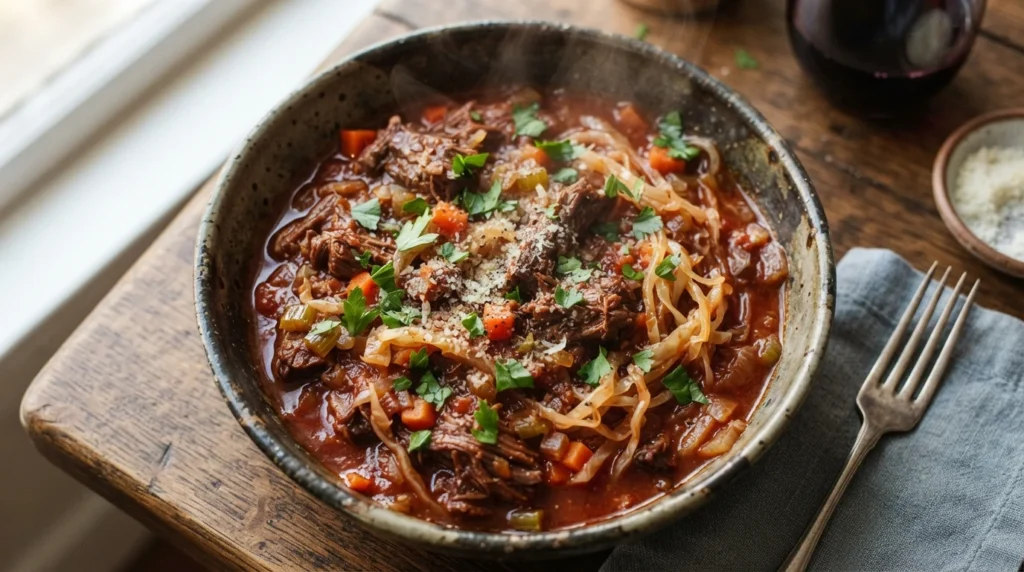

Looking for a satisfying pasta alternative that fits your ketogenic diet? You can make Keto Cabbage Noodles using simple shredded cabbage and cook them in a rich, slow-cooked Beef Ragu. This method creates long strands with a soft, chewy texture that closely mimics traditional noodles while keeping carbohydrate counts significantly lower.
Why Use Shredded Cabbage for Noodles?
Cabbage is an excellent choice for low-carb noodle substitutes because it has a high water content and a fibrous structure that holds up well during cooking. When shredded finely, the cabbage absorbs flavors from sauces and develops a tender texture without disintegrating completely. Unlike zucchini noodles, which can dry out or become mushy when cooked in sauce, cabbage maintains its structural integrity better.
However, there is a key difference to manage: cabbage releases moisture as it cooks. If you rush the process, your dish may end up watery. The secret lies in the cooking technique and the order of operations.
Recipe Overview
- Serves: 4 people
- Preparation Time: 10 minutes
- Cooking Time: 60 minutes (includes simmering the ragu)
- Total Time: 70 minutes
- Yield: Approximately 4 large servings
Ingredients
Note: All quantities are in grams for precision. Ensure your cabbage is tightly packed and dry before shredding to minimize excess moisture.
- Cabbage: 400g, shredded (finely cut)
- Beef chuck roast: 500g, trimmed of excess visible fat
- Onion: 1 large (approx. 120g), finely chopped
- Garlic: 3 cloves (approx. 10g), minced
- Carrots: 2 medium (approx. 150g total), diced small
- Celery: 2 stalks (approx. 80g total), diced small
- Tomato paste: 40g
- Full-fat beef stock: 300ml, low-sodium
- Wine or water: 150ml (optional, for deglazing)
- Olive oil: 30ml
- Salt and black pepper: to taste
Method
Step 1: Prepare the Beef Base
Heat a large heavy-bottomed pot or Dutch oven over medium-high heat. Add the olive oil. Once hot, add the beef chuck roast in chunks. Do not overcrowd the pan; work in batches if necessary to ensure even browning.
Season the meat generously with salt and pepper. Let it sear for about 4–5 minutes per side until a deep brown crust forms on all sides. This step builds flavor through the Maillard reaction. Remove the beef from the pot and set aside on a plate while you prepare the vegetables.
Step 2: Sauté the Aromatics and Vegetables
In the same pot, lower the heat to medium. Add the chopped onion and diced carrots and celery. Cook for 5–6 minutes, stirring occasionally, until they begin to soften but are not browned.
Add the minced garlic and tomato paste. Stir constantly for 1 minute until the mixture becomes fragrant and the paste darkens slightly. This prevents burning and adds depth to the sauce.
Step 3: Build the Ragu
Pour in the beef stock and any liquid used for deglazing (wine or water). Scrape up any browned bits stuck to the bottom of the pot; these add significant flavor. Return the seared beef to the pot, breaking it into smaller pieces with a wooden spoon.
Bring the mixture to a simmer, then reduce the heat to low. Cover and let it cook for 30–40 minutes, stirring occasionally, until the meat is tender and easily shreds with a fork. The sauce should be thick enough to coat the back of a spoon but still have some liquid.
Step 4: Cook the Cabbage Noodles
While the ragu simmers, prepare your cabbage. If you are using a standard head of cabbage, shred it into fine strips. Do not soak it in water, as this dilutes flavor and adds carbs.
Add the shredded cabbage to the pot with the simmering ragu. Increase the heat slightly to bring the sauce back to a gentle boil. Cook for 8–10 minutes, stirring frequently. You will notice the cabbage wilting rapidly and releasing liquid.
Step 5: Finish and Serve
Once the cabbage has wilted and absorbed some of the sauce, remove the pot from heat. Taste the ragu and adjust seasoning with salt and pepper if needed. The cabbage will continue to cook slightly in the residual heat, so avoid overcooking it beyond 10 minutes, or it may become mushy.
Serve immediately while hot. You can garnish with fresh parsley or a drizzle of extra virgin olive oil if desired.
Troubleshooting Common Issues
Problem: The Dish is Too Watery
Cause: Using cabbage that was wet, cooking at too high a temperature which evaporates sauce before the cabbage absorbs it, or adding too much liquid stock.
Fix: Ensure your cabbage is dry. After shredding, you can let it sit on a clean kitchen towel for 5 minutes to absorb surface moisture. When cooking the cabbage, add it in two batches if necessary, allowing the first batch to reduce the sauce volume before adding more.
Problem: The Cabbage Becomes Mushy
Cause: Overcooking. Cabbage has a high water content and breaks down quickly once its cell walls are compromised.
Fix: Monitor the cooking time closely. Remove the pot from heat as soon as the cabbage is tender-crisp. It will continue to soften on the plate. If you prefer a softer noodle, extend the cooking time by 2 minutes but be prepared for more liquid.
Problem: The Beef Is Not Tender
Cause: Cooking the beef too quickly or using a cut that is not suitable for braising (like lean sirloin which can dry out).
Fix: Beef chuck is ideal because it has enough intramuscular fat to stay moist during long simmering. If you are short on time, use a pressure cooker to speed up the process, but ensure the meat reaches an internal temperature of at least 71°C (160°F) for safety.
Substitutions and Variations
Vegetable Substitutes: While cabbage is the primary choice, you can try kale or chard stems for a different texture. However, these may require more salt to balance their strong flavor profiles.
Pasta Substitute: If you prefer a firmer noodle texture, consider using shirataki noodles (konjac root). These are naturally very low in carbs but have a distinct slippery texture that differs from cabbage. You would need to rinse them thoroughly before cooking.
Storage and Reheating
This dish tastes even better the next day as the flavors meld together. Store leftovers in an airtight container in the refrigerator for up to 4 days.
To reheat, warm the dish gently in a saucepan over low heat, stirring occasionally to prevent sticking. If the sauce has thickened too much during storage, add a splash of beef stock or water to achieve your desired consistency. Avoid microwaving at high power, as this can cause the cabbage to separate and become stringy.
Final Thoughts
Keto Cabbage Noodles with Beef Ragu is a practical solution for those seeking hearty, low-carbohydrate meals without sacrificing flavor. By managing moisture levels and cooking times carefully, you can achieve a dish that satisfies the craving for pasta while adhering to your dietary goals.