
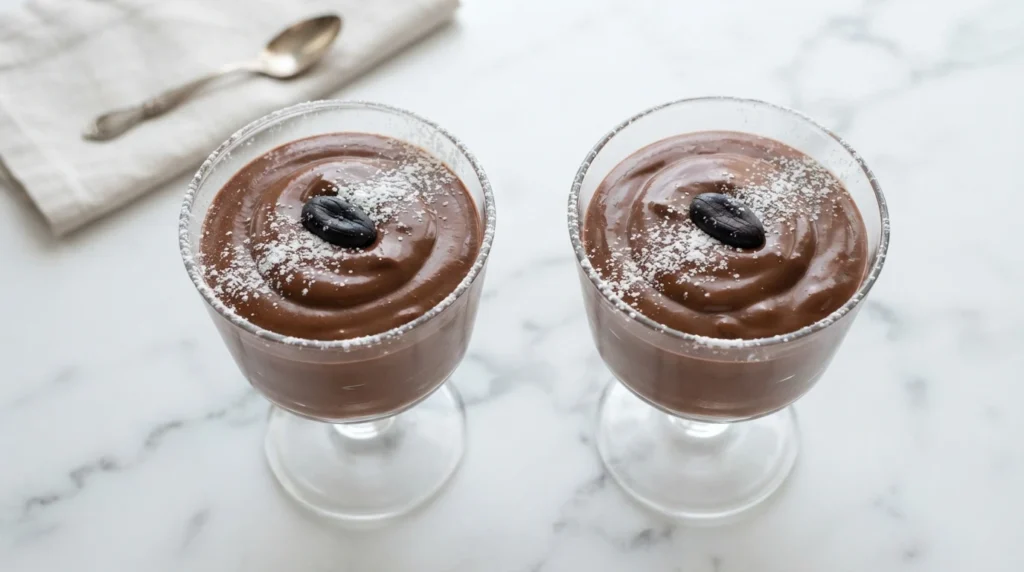

Chocolate is often associated with dairy and sugar, but with the right ingredients, you can create a luxuriously creamy pudding that fits a ketogenic lifestyle. The secret lies in using ripe avocados as a fat base to mimic the texture of traditional chocolate pudding while keeping carbohydrates extremely low.
Why This Recipe Works
Avocado is naturally high in healthy fats and virtually carb-free when used in moderation. When blended with cocoa powder, sweeteners, and a touch of acid like lemon juice, it creates an emulsion that feels surprisingly rich on the tongue. The key to success is selecting avocados that are ripe but not yet mushy; this ensures a smooth texture without needing excessive liquid.
Recipe Overview
- Servings: 2
- Total Time: 10 minutes (plus chilling time)
- Dietary Notes: Low-carb, high-fat, gluten-free (if using certified cocoa), dairy-free
This pudding is best served chilled. If prepared in advance, it can be stored in the refrigerator for up to three days.
Ingredients
The following ingredients are measured in grams to ensure precise results. All quantities are based on US standard weights.
- Ripe avocados: 250g, peeled and pitted (approximately two medium avocados)
- Cocoa powder: 40g, unsweetened, high-quality Dutch-processed for better flavor
- Stevia erythritol blend: 25g, granulated form (adjust based on sweetness preference)
- Lemon juice: 10ml, fresh squeezed
- Coconut cream: 60ml, chilled and separated from coconut milk
- Vanilla extract: 5ml
Note: Coconut cream adds richness without adding carbohydrates. Ensure it is cold before blending to help create a firm set.
Method
Follow these steps to achieve the smoothest possible texture. Using a high-speed blender or immersion blender is recommended for breaking down the avocado completely.
- Prepare the base: Cut the avocados in half, remove the pit, and scoop the flesh into a large bowl. If using an immersion blender, ensure the blade is submerged; otherwise, work in batches to avoid overheating the motor.
- Add wet ingredients: Pour in the chilled coconut cream and lemon juice. The acidity from the lemon helps stabilize the emulsion and brightens the chocolate flavor.
- Incorporate dry components: Add the cocoa powder, stevia blend, and vanilla extract to the bowl.
- Blend until smooth: Process on high speed for 60–90 seconds. Scrape down the sides of the bowl if necessary. The mixture should look glossy with no visible green specks. If the texture is too thick, add a teaspoon of water or unsweetened almond milk; however, adding liquid reduces the fat content.
- Rest and chill: Transfer the pudding to individual serving bowls or a container. Cover and refrigerate for at least one hour before serving to allow the flavors to meld and the texture to firm up.
Troubleshooting Common Issues
Even with careful preparation, certain issues can arise. Here is how to identify and fix them.
- Grainy Texture: If the pudding appears gritty or lumpy, the avocados may not have been blended thoroughly enough, or they were underripe. Ensure you are using avocados that yield easily to gentle pressure. Blend for a longer duration on low speed followed by high to break down fibers completely.
- Separation: If oil separates from the mixture after chilling, it is likely due to temperature shock or over-chilling. The fat has solidified too quickly. Re-blend briefly and let it sit at room temperature for ten minutes before serving again.
- Too Sweet: Stevia varies in potency by brand. Always taste the mixture after blending (once cooled slightly) and adjust with more stevia or a pinch of salt if needed. Avoid adding extra sugar, as this will spike carbohydrates significantly.
Genuine Substitutions
While the original recipe is designed for consistency, there are viable alternatives depending on dietary needs or pantry availability.
- Cashew Cream: You can replace the coconut cream with 60g of soaked and drained cashews blended into a paste. This provides a similar fat profile but may require slightly less liquid to achieve the same thickness.
- Sweetener Adjustment: If you prefer natural sweetness, maple syrup is not keto-friendly due to high fructose content. However, if a small amount is needed for specific texture reasons (e.g., very low fat), use no more than 5g of pure stevia liquid or monk fruit blend, keeping total carbohydrates under 2g per serving.
Storage and Reheating
This pudding is not meant to be eaten warm. Its texture degrades quickly when heated, turning into a soupy consistency. Store in an airtight container in the refrigerator for up to three days. To serve, chill thoroughly before scooping.
Final Thoughts
This chocolate avocado pudding offers a satisfying dessert option that avoids the heavy carbohydrate load of traditional recipes. By focusing on quality ingredients and precise technique, you can enjoy a rich treat without compromising your dietary goals. Remember that individual tolerance to fats and carbohydrates varies, so monitor your body’s response when making significant changes to your diet.