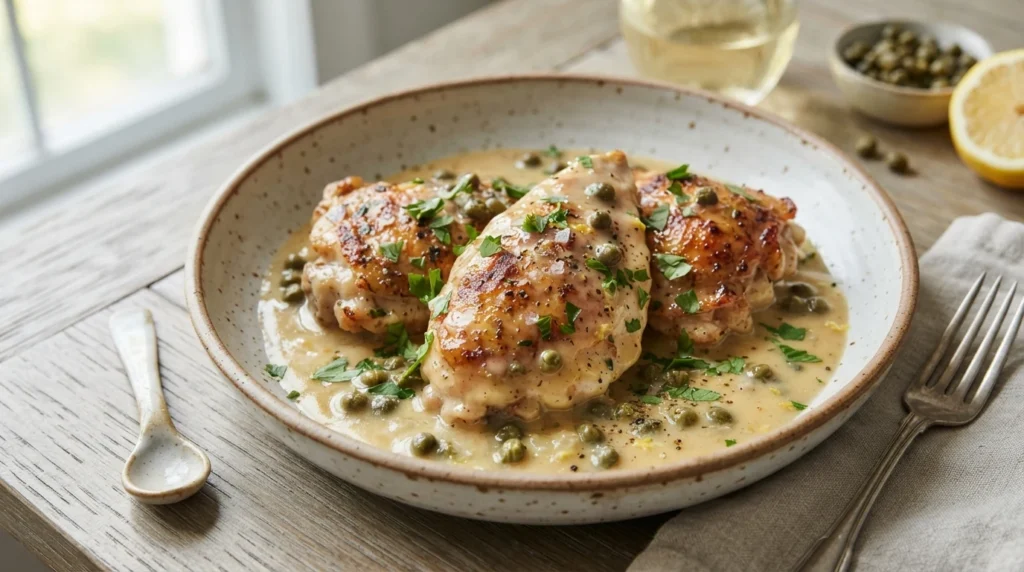

Looking for a satisfying, lower-carbohydrate dinner that feels indulgent but won’t ruin your macros? This Keto Lemon Caper Chicken delivers the bright zest of lemon and the savory punch of capers in a sauce designed to stay smooth. Many cream-based sauces separate when heated too aggressively or cooled improperly, resulting in a watery, curdled mess. Our approach focuses on gentle cooking techniques and emulsification tricks to keep the sauce silky from start to finish.
Why This Sauce Won’t Split
The common enemy of creamy sauces is rapid evaporation and high heat, which breaks down the fat and protein bonds that hold the mixture together. To prevent a split sauce, we prioritize starting with room-temperature dairy products and avoiding boiling the liquid once the cream has incorporated. By using gentle simmering rather than a rolling boil, you maintain the emulsion’s stability.
Recipe Overview
- Servings: 4
- Preparation time: 10 minutes
- Cooking time: 15 minutes
- Total time: 25 minutes
- Dietary notes: Keto-friendly, Gluten-free (check labels), Dairy-containing
Ingredients
This recipe relies on fresh ingredients for maximum flavor and texture. Ensure your dairy products are full-fat for better emulsion stability.
- Chicken breast: 800g, boneless and skinless, cut into bite-sized pieces
- Lemon juice: 60ml, fresh, juiced from one large lemon
- Capers: 40g, rinsed and patted dry
- Heavy cream: 300ml, full-fat (35% or higher)
- Ghee or butter: 60g, neutral flavor preferred for cooking
- Garlic: 2 cloves, minced finely
- Onion: 1 small yellow onion, diced (use less if strict keto)
- Heavy cream powder: 30g, optional, for extra thickness without liquid volume
- Salt and pepper: To taste
- Fresh parsley: 15g, chopped, for garnish
Method
Follow these steps to ensure the sauce remains smooth and the chicken is tender.
- Preparation: Pat the chicken dry and season generously with salt and pepper. In a large skillet, melt half the butter or ghee over medium heat until foaming but not browned.
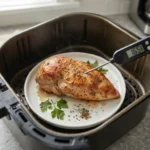
- Cooking the Chicken: Add the chicken pieces in a single layer. Cook undisturbed for about 4 minutes to develop a golden crust, then flip and cook an additional 3–4 minutes until internal temperature reaches 74°C (165°F). Remove chicken to a plate and cover loosely with foil to keep warm.
- Sautéing Aromatics: In the same pan, add the remaining fat if needed. Sauté the garlic and onion over low heat for 2–3 minutes until soft and translucent. Do not let them brown significantly, or they will burn quickly.
- Adding Liquids: Pour in the lemon juice and bring to a gentle simmer just to evaporate excess moisture. Immediately add the rinsed capers, stirring gently to coat the aromatics.
- Incorporating Cream: Slowly whisk in the heavy cream while maintaining a very low heat. If using the powder, dissolve it in a small amount of warm liquid first before adding to the pan. Stir continuously for about 2 minutes until the sauce thickens slightly and coats the back of a spoon.
- Finishing Touches: Taste and adjust seasoning. Stir in fresh parsley just before serving to preserve its vibrant color and flavor.
Troubleshooting Common Issues
Even with careful technique, sauces can behave unexpectedly. Here is how to handle the most common problems:
- Sauce splits or curdles: This usually happens if the heat was too high or the cream was added too quickly to boiling liquid. To fix, remove from heat immediately and whisk in a splash of cold water or stock to re-emulsify. For future batches, ensure liquids are warm, not hot.
- Sauce is too thin: If the sauce has separated into oil and water, it may look watery rather than split. To fix, simmer gently uncovered until reduced by half. Adding a teaspoon of cornstarch slurry (if carb allowance permits) can help thicken.
- Chicken is dry: Overcooking is the primary cause. Use a meat thermometer to ensure the chicken reaches exactly 74°C (165°F) and remove it from heat immediately when done. Letting it rest for 5 minutes before serving helps redistribute juices.
Substitutions and Variations
You can adapt this recipe based on pantry availability, but be mindful of texture changes:
- Cream substitute: Full-fat coconut milk works well for a dairy-free option. It may impart a slightly different flavor profile but remains stable if handled gently.
- Onion reduction: If you are strictly low-carb, reduce the onion quantity or omit it entirely to avoid adding carbohydrates.
- Flavor boost: A pinch of dried oregano or a splash of white wine (if alcohol tolerance allows) can deepen the savory notes.
Storage and Reheating
This dish tastes best fresh, but it stores well for meal planning. Let the chicken cool to room temperature before refrigerating, which should take no more than two hours for food safety reasons. Store leftovers in an airtight container in the refrigerator for up to 3 days.
To reheat, warm the sauce over low heat on the stove, stirring frequently. If the sauce looks thick after cooling, add a splash of water or stock to loosen it before serving. Avoid microwaving on high power, as this can cause rapid separation; use medium power with short intervals and stirring in between.
Frequently Asked Questions
Can I make this dish ahead?
The chicken can be cooked up to a day in advance. The sauce is best made fresh, but you can prepare the base (sautéed aromatics) ahead and finish it when ready to serve.
How do I know if my sauce has split?
A split sauce looks separated into distinct oil and liquid layers. A thin sauce simply lacks body. If it splits, gentle whisking with a cold liquid often repairs it.