
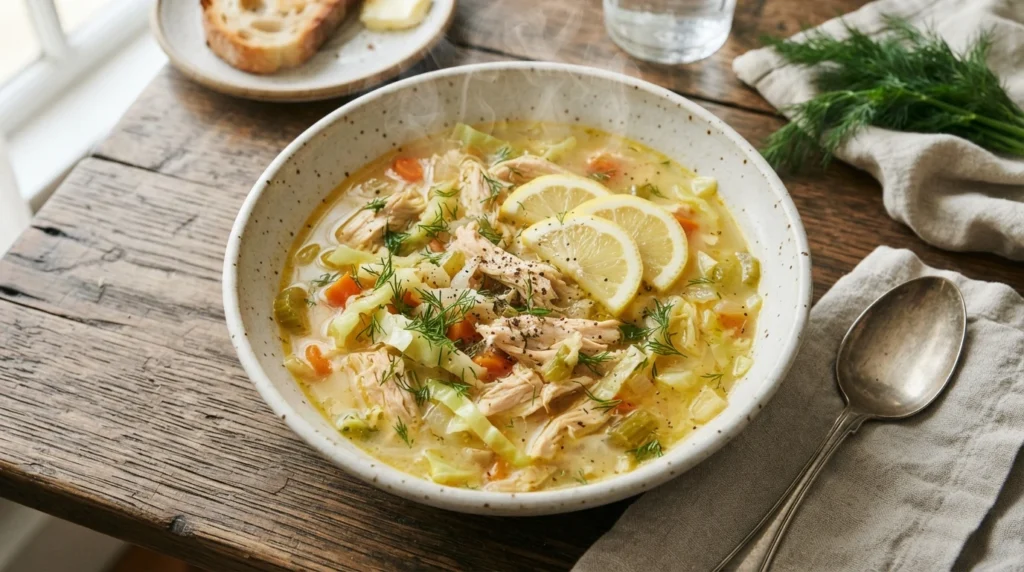

Transform leftover rotisserie chicken or fresh thighs into a comforting, low-carbohydrate broth in under twenty minutes with this Pressure Cooker Chicken Soup with Cabbage recipe.
The Main Technique: Layering and Simmering
The key to a successful pressure cooker soup lies in layering. You start with aromatics that build flavor, add the protein and liquid, then introduce the cabbage near the end to prevent it from turning into mush.
Why This Method Works
Pressure cooking rapidly boils water to extract flavors from bones and vegetables while keeping meat tender. By adding cabbage at the end of the cooking cycle or during a brief simmer, you maintain its crisp-tender texture without overcooking it into a paste.
The Recipe: Keto Pressure Cooker Chicken Soup with Cabbage
Yield: 4 servings
Prep time: 10 minutes
Cook time: 8 minutes (pressure cooker) + 5 minutes natural release
Total time: ~20 minutes
Ingredients
- Rotisserie chicken or bone-in chicken thighs: 4 cups, shredded or cubed, skin removed
- Large green cabbage: 1 head (approx. 2 lbs), chopped into thin strips
- Onion: 1 medium, diced
- Garlic: 3 cloves, minced
- Celery: 2 stalks, thinly sliced
- Carrots: 2 medium, chopped into coins (optional for texture)
- Chicken broth: 4 cups low-sodium, unsalted
- Canned boneless chicken breast: 1 can (approx. 15 oz/425g), drained and shredded (alternative to rotisserie)
- Apple cider vinegar: 1 tablespoon
- Dill or thyme: 1 teaspoon dried, or 1 fresh sprig
- Salt and black pepper: To taste
- Lemon juice: 1 teaspoon (optional, for brightness)
Method
-
Combine the onion, garlic, celery, and carrots in a large pot or pressure cooker insert. If using a stovetop pressure cooker, sauté these vegetables in a splash of oil for 2 minutes until softened.
-
Add the chicken (rotisserie or canned), broth, apple cider vinegar, dried herbs, salt, and pepper to the pot. Ensure there is enough liquid to create a proper seal in your pressure cooker.
-
Lock the lid on the pressure cooker and set it to high pressure. Cook for 8 minutes if using bone-in meat to ensure tenderness; 5 minutes is sufficient for shredded rotisserie or canned chicken.
-
Perform a natural release of the pressure for about 5–7 minutes, then carefully vent any remaining steam. Open the lid and stir in the cabbage.
-
If using a stovetop pot instead of a pressure cooker, bring the liquid to a boil over high heat, then reduce to a gentle simmer. Cover and cook for 15–20 minutes until the chicken is tender and the vegetables are soft but not disintegrated.
-
Taste the soup and adjust seasoning with more salt or lemon juice if needed. Serve hot in bowls.
Troubleshooting Common Issues
Soup can sometimes go wrong, but these steps ensure your batch is perfect every time.
- Problem: The soup is too watery.
Fix: Do not add more broth. Instead, simmer the soup uncovered for 10 minutes to evaporate excess liquid. If you need thickening without carbs, blend a small batch of cabbage and carrots into a puree and stir it back in. - Problem: The cabbage turns into mush.
Fix: Cabbage cooks very quickly under pressure. Always add it during the last 2 minutes of cooking or after the natural release phase. If you added it too early, remove any broken pieces and serve with more whole cabbage on the side. - Problem: The chicken is dry.
Fix: Ensure your pressure cooker has enough liquid (minimum 1 cup) to create steam. Undercooking bone-in meat can also lead to drier results; always use the full cooking time for bone-in pieces. - Problem: The broth lacks flavor.
Fix: Sauté your aromatics (onion, celery, garlic) for 3–4 minutes before adding the liquid. This builds a deeper flavor base that pressure cooking alone cannot achieve.
Genuine Substitutions and Adjustments
You can adapt this recipe based on what you have available, keeping carbohydrate counts in mind.
- Coconut milk: Replacing some of the chicken broth with full-fat coconut milk adds creaminess but increases fat content. It does not significantly change net carbs if used sparingly (e.g., ½ cup).
- Cauliflower florets: A lower-carb alternative to cabbage, though it takes longer to soften. Add cauliflower in the last 5 minutes of cooking.
- Spinach or kale: These leafy greens wilt quickly and can be added at the end for a nutrient boost without adding starch.
Make-Ahead, Storage, and Reheating
This soup reheats exceptionally well, making it ideal for meal prep.
- Storage: Store in an airtight container in the refrigerator for up to 4 days. The cabbage may soften slightly over time, which is normal for cooked leafy greens.
- Freezing: Soup freezes well for up to 3 months. Note that cabbage texture changes upon thawing; it may become softer. Add fresh cabbage when reheating if desired.
- Reheating: Reheat on the stovetop over medium heat, stirring occasionally. If the soup has thickened during storage, add a splash of water or broth to reach your preferred consistency.
Frequently Asked Questions
Can I use boneless chicken breasts?
No, they can easily overcook and become dry in a pressure cooker. Use bone-in thighs or shredded rotisserie chicken instead for juiciness.
Is this soup suitable for strict keto diets?
Yes, the net carbohydrate content is very low due to the cabbage and lack of grains or starches. However, check labels on broth and canned goods for hidden sugars.
How do I know if the chicken is safe to eat?
Use a meat thermometer to ensure the internal temperature reaches 165°F (74°C). Do not rely solely on color or texture when determining safety.