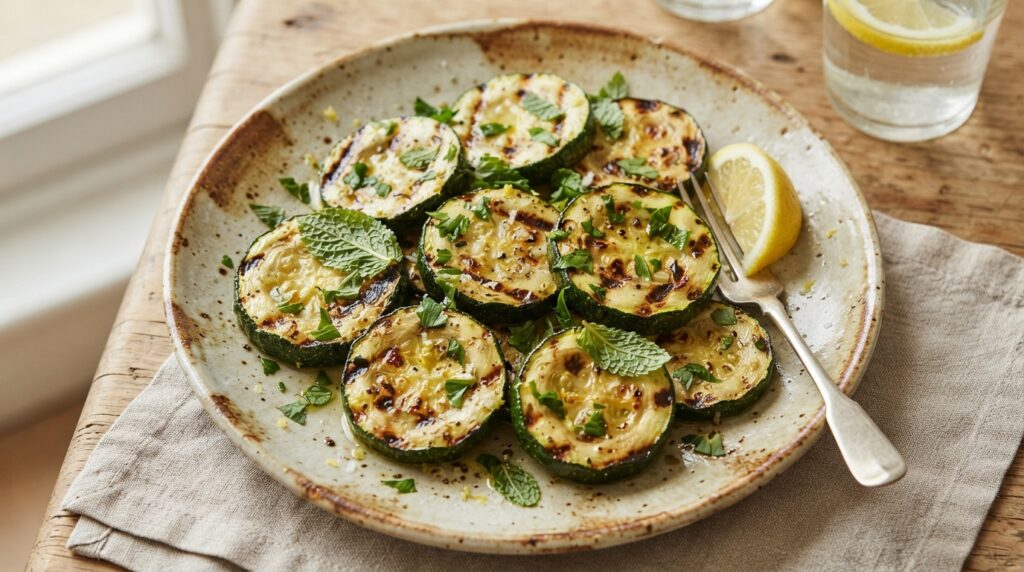

Grilled courgette (zucchini) is a staple in the kitchen, but getting it right on the Keto diet requires more than just tossing slices in oil. When cooked over high heat, zucchini tends to release moisture rapidly, often resulting in a watery texture that dilutes flavor and ruins the mouthfeel of a keto-friendly meal. This guide focuses on a practical technique to achieve tender yet firm grilled courgette slices that hold their shape, making them an ideal low-carb accompaniment for proteins like chicken, fish, or eggs.
Key Takeaway: To prevent sogginess and water release while grilling, use a high-heat method with minimal oil and ensure your zucchini slices are dry before hitting the pan. This approach yields a caramelized exterior and a moist interior without the mushy texture common to grilled summer squash.
Why Grilled Courgette Fails on Keto
Courgettes have a high water content and thin cell walls, which means they steam rather than fry when exposed to heat. In a traditional pan-fry, the moisture pools at the bottom of the pan, creating a soggy base that makes the dish unappetizing. On Keto, where texture is often prized for its richness, this outcome is undesirable.
The solution lies in controlling the cooking environment. By using a very hot skillet and managing the amount of liquid added to the surface, you can encourage evaporation before browning occurs. This creates a Maillard reaction—the chemical reaction between amino acids and sugars that gives food its browned color and savory flavor—without letting the zucchini disintegrate.
The Recipe: Grilled Courgette with Lemon-Mint
This recipe is designed for home cooks who want a quick, satisfying side dish. The method emphasizes high heat and proper drainage to ensure the slices remain distinct rather than blending into a puree.
Yield: 2 generous servings (about 4 large slices per person)
Prep time: 10 minutes
Cook time: 8–10 minutes
Total time: 18 minutes
Dietary Notes: Low-carbohydrate, Gluten-free, Dairy-free (unless butter is added)
Ingredients
- Courgettes (Zucchini): 2 large ones, approximately 600g total weight. Select firm, dark green varieties for better heat retention.
- Olive Oil: 1 tablespoon (approx. 15g), high smoke point preferred.
- Lemon Juice: 1 teaspoon (approx. 4g) fresh juice from one small lemon.
- Mint Leaves: 10–12 leaves, roughly 5g, for garnish and flavor infusion.
- Salt: 1/4 teaspoon (approx. 1g) to draw out excess moisture naturally.
- Black Pepper: A pinch (approx. 0.5g).
Equipment
- A large non-stick skillet with a heavy base (preferably 12–14 cm diameter) to distribute heat evenly.
- Kitchen towel or paper towels for drying the slices.
- Serving plate and small spoon for lemon-mint dressing.
Method
Following these steps ensures you avoid the common pitfall of a wet, steamed zucchini dish.
- Preparation: Wash the courgettes thoroughly. Cut them into uniform rounds or half-moons, approximately 0.5 cm (1/4 inch) thick. Consistent thickness is critical for even cooking; uneven slices will result in some burning while others remain undercooked.
- Drying: This is the most crucial step. Pat the slices completely dry with paper towels. Any residual surface water will flash-boil when it hits the pan, causing steam rather than searing. You want to remove about 90% of the surface moisture.
- Seasoning: Place the dried slices in a bowl and sprinkle with the salt and pepper. Let them sit for 2 minutes. This allows the salt to draw out any remaining internal water, which you can then wipe off again before cooking. If your courgettes are very fresh, this step is optional but helpful.
- Heating the Pan: Place the skillet over medium-high heat. Add the olive oil and swirl to coat the bottom. Wait until the oil shimmers and just begins to smoke slightly (indicating it is near its smoke point), then add the zucchini slices in a single layer. Do not overcrowd; you may need two batches.
- Cooking: Cook undisturbed for 3–4 minutes per side until deep golden brown spots appear. This creates a protective crust that locks in juices. If the liquid pools, turn off the heat and let it evaporate before continuing.
- Garnishing: Remove from heat immediately once the internal temperature reaches about 85–90°C (185–194°F) for tender-crisp texture. Do not overcook, or they will become mushy. Squeeze the lemon juice over the hot slices and scatter the fresh mint leaves on top.
Troubleshooting Common Issues
Even with careful technique, issues can arise. Here is how to identify and fix them.
- Soggy Base: If the bottom of your slices turns into a mushy sludge, you likely added too much moisture to the pan or overcrowded it. Next time, ensure the pan is hot before adding oil, and wipe away any pooling liquid immediately with a paper towel.
- Overcooked Texture: If the zucchini turns into a paste, your slices were too thin or cooked for too long. Aim for a tender-crisp bite; if they are soft but hold shape, that is perfect. Overcooking releases all structural integrity.
- Lack of Flavor: If the dish tastes bland, the salt step may have been insufficient. Ensure you use fresh lemon juice rather than bottled, as acidity levels vary significantly between brands and can mask savory notes.
Substitutions and Variations
Note: Some substitutions require testing to maintain texture on the Keto diet.
- Cooking Fat: While olive oil works well, avocado oil has a higher smoke point (up to 270°C/518°F) and can handle high heat without burning. It offers a neutral flavor that lets the zucchini shine.
- Mint Substitutes: If fresh mint is unavailable, dried culinary mint can be used, but add it at the very end of cooking to preserve its volatile oils. Basil or parsley are acceptable alternatives for flavor profile.
- Serving Protein: This side pairs well with grilled chicken breast (approx. 150g per serving), salmon fillets, or scrambled eggs. Avoid high-carb breads; serve with butter or a keto-friendly sauce instead.
Storage and Reheating
Courgette slices are best eaten fresh due to their tendency to soften over time. However, they can be stored for short-term use:
- Refrigeration: Store cooked slices in an airtight container for up to 2 days. They will retain some moisture but remain edible.
- Freezing: Freezing is not recommended for sliced courgette as the texture degrades significantly upon thawing. If necessary, freeze them whole or in puree form after cooking.
- Reheating: Reheat gently in a skillet over low heat to prevent drying out. Avoid microwaving, which will steam the dish and ruin the texture.
Frequently Asked Questions
Can I use frozen courgettes for this recipe?
No. Frozen courgettes contain excess water that will result in a very soggy dish. Always use fresh produce for grilling.
How do I know if the zucchini is cooked through?
It should yield slightly to gentle pressure but still hold its shape when cut. A fork should pierce easily without leaving mushy remnants.