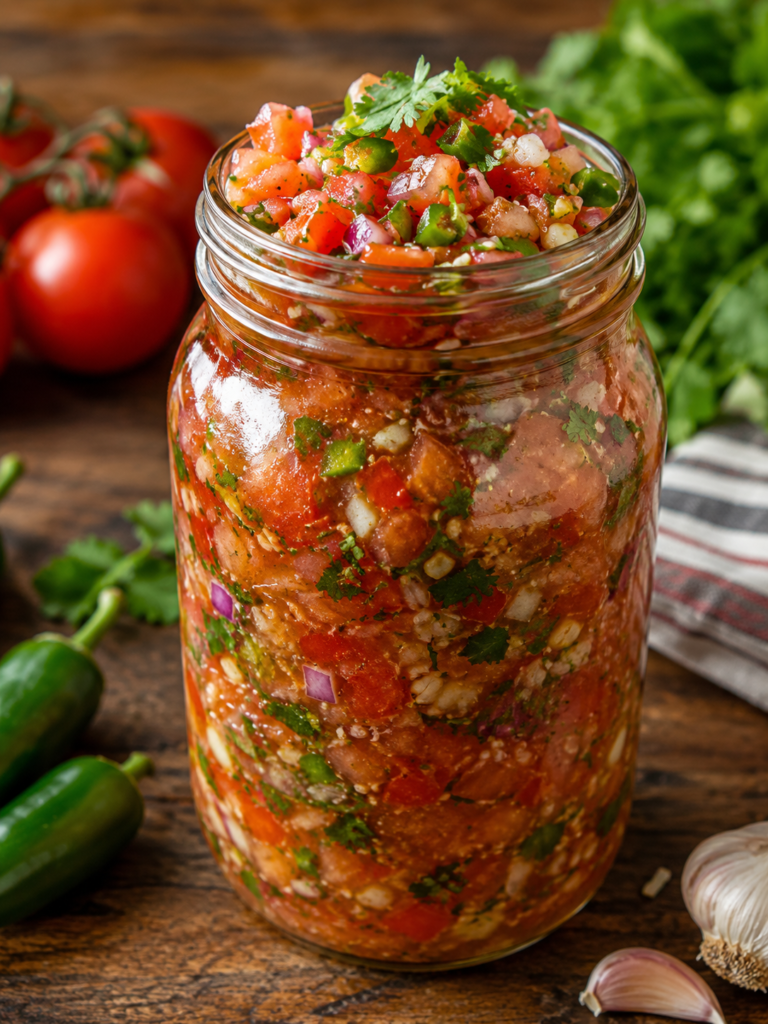

Pico de Gallo is a bright, fresh Mexican salsa made with juicy tomatoes, crisp onion, spicy jalapeño, fragrant cilantro, and plenty of fresh lime juice. Every spoonful delivers the perfect combination of juicy, crunchy, tangy, and mildly spicy flavors.
This naturally low-carb and low-calorie salsa is an easy way to add fresh flavor to high-protein meals. Serve it with grilled chicken, shrimp, fish, eggs, or lean beef for a colorful, protein-friendly meal without adding many calories.
Can This Pico de Gallo Support Weight Loss Goals?
Yes, Pico de Gallo can easily fit into a balanced weight-management eating pattern. It is primarily made from fresh vegetables and herbs, so it provides flavor, volume, and some fiber with relatively few calories. Pairing it with a lean protein source can make a meal more filling while keeping the overall calorie balance reasonable.
Does Pico de Gallo Fit a High-Protein Lifestyle?
Pico de Gallo itself is not a high-protein food because its main ingredients are tomatoes, onions, jalapeños, cilantro, and lime. However, it is naturally low in carbohydrates and contains approximately 3 g net carbs per serving, making it an excellent topping for protein-rich meals. Pair it with grilled chicken, shrimp, fish, eggs, or lean beef to create a high-protein, low-carb plate. Its fresh ingredients add flavor without requiring a heavy sauce.
Why This Recipe Is Special
- Fresh & vibrant: No cooking is required, so the vegetables retain their fresh texture.
- Low-carb: Fresh tomatoes, onion, jalapeño, and lime keep the recipe relatively low in net carbs.
- Quick & easy: The entire salsa can be prepared in about 10 minutes.
- Naturally light: It adds plenty of flavor without a heavy calorie load.
- Highly versatile: Perfect with tacos, grilled meats, eggs, seafood, salads, and bowls.
My Personal Experience
- Fresh lime makes all the difference.
I love how the acidity of fresh lime brings the tomatoes, onion, and cilantro together.
It gives the salsa that bright, refreshing flavor that bottled salsa cannot match. - The texture is what makes Pico de Gallo so good.
I prefer chopping the tomatoes and onions into small but noticeable pieces.
That keeps every bite juicy and crunchy instead of turning the salsa into a smooth sauce. - It instantly upgrades simple protein meals.
A spoonful of Pico de Gallo makes grilled chicken or fish taste much more exciting.
The fresh vegetables add color, acidity, and spice without adding a heavy topping. - It is one of my easiest make-ahead recipes.
I can chop everything in advance and keep it chilled until mealtime.
After a short rest, the flavors become even more blended and delicious.
Perfect For
- Taco nights: A classic fresh topping for tacos and burrito bowls.
- Grilled dinners: Excellent with chicken, steak, shrimp, or grilled fish.
- High-protein meals: Adds fresh flavor to lean protein without many calories.
- Low-carb meal plans: Works beautifully with lettuce wraps, eggs, grilled meat, and seafood.
- Summer gatherings: Fresh tomatoes, lime, cilantro, and jalapeño are perfect for warm-weather meals.
- Healthy snacks: Serve with cucumber slices, bell pepper strips, or a small portion of low-carb chips.
Why You’ll Love This Recipe
- Incredibly fresh: Fresh tomatoes and lime create a bright flavor that tastes homemade.
- Ready in minutes: No cooking, roasting, or complicated preparation is needed.
- Low-carb friendly: It adds flavor without significantly increasing carbohydrates.
- Perfect with protein: Grilled chicken, shrimp, fish, eggs, and beef all pair beautifully with it.
- Customizable heat: Easily adjust the jalapeño according to your preferred spice level.
Common Mistakes to Avoid
- Using watery tomatoes — Excess tomato juice can make the salsa watery, so drain some of the liquid if needed.
- Chopping the ingredients too finely — Pico de Gallo should have noticeable pieces and a fresh, chunky texture.
- Adding too much lime juice — Too much acid can overpower the natural sweetness of the tomatoes.
- Serving immediately — Letting the salsa rest briefly allows the flavors to blend together.
Required Equipment
- Sharp chef’s knife — Makes clean, precise cuts for the tomatoes, onion, and jalapeño.
- Cutting board — Provides a stable surface for safe chopping.
- Large mixing bowl — Gives enough space to gently combine the ingredients.
- Citrus juicer — Helps extract maximum fresh lime juice with minimal effort.
- Measuring spoons — Keeps the seasoning and lime quantities consistent.
Storage Instructions
Transfer leftover Pico de Gallo to an airtight glass or food-safe container and refrigerate promptly. It is best consumed within 2–3 days for the freshest flavor and texture.
For meal prep, keep the salsa chilled and separate from cooked protein, tortillas, or other foods until serving. The tomatoes will release additional liquid as the salsa sits, so gently drain excess liquid before serving if necessary.
Freezing is not recommended. Fresh tomatoes, onions, and cilantro become soft and watery after thawing, which significantly changes the characteristic texture of Pico de Gallo.
The salsa itself is not protein-rich, so for a high-protein meal, store it separately and pair it with freshly prepared chicken, fish, shrimp, eggs, or another lean protein.
Recipe Details
Preparation Time: 10 minutes
Cooking Time: 0 minutes
Total Time: 10 minutes
Servings: 6
Best Season: Summer
Total Calories: Approximately 25 calories per serving
Short 3-Line Description
Fresh tomatoes, crisp onion, jalapeño, cilantro, and lime come together in this vibrant homemade Pico de Gallo.
Every bite is juicy, crunchy, tangy, and customizable to your preferred level of heat.
A naturally low-carb salsa that adds incredible flavor to high-protein meals.
📝 Ingredients
- 4 medium Roma tomatoes, approximately 2½ cups diced
- ½ medium white or red onion, finely diced
- 1–2 fresh jalapeños, finely diced
- ½ cup fresh cilantro, chopped
- 2 tablespoons fresh lime juice
- ¼ teaspoon salt, or to taste
- ¼ teaspoon black pepper, optional
Note: Roma tomatoes work especially well because they contain less moisture than many other tomato varieties.
Optional: Remove the jalapeño seeds and membranes for a milder salsa.
Directions
1. Prepare the tomatoes
Wash and dry the tomatoes thoroughly.
Cut them in half, remove excess seeds if they are particularly watery, and dice them into small, even pieces.
The tomatoes should remain chunky rather than becoming mashed.
2. Prepare the onion
Peel the onion and finely dice it.
If you prefer a milder onion flavor, soak the diced onion in cold water for 5 minutes, then drain thoroughly.
3. Prepare the jalapeño
Remove the stem and finely dice the jalapeño.
For mild Pico de Gallo, remove the seeds and inner membranes. Keep some or all of them for a spicier salsa.
High-protein tip: Since Pico de Gallo is used to add flavor to protein-rich foods, adjust the jalapeño rather than adding calorie-heavy sauces.
4. Chop the cilantro
Rinse the cilantro and pat it dry.
Roughly chop the leaves and tender stems.
5. Combine the ingredients
Add tomatoes, onion, jalapeño, and cilantro to a large mixing bowl.
Pour in the fresh lime juice and sprinkle with salt and optional black pepper.
6. Gently mix
Use a spoon to gently fold everything together for approximately 30–45 seconds.
Do not mash the tomatoes—the finished salsa should remain chunky, juicy, and colorful.
7. Let it rest
Cover and refrigerate or leave at room temperature for approximately 10–15 minutes.
This short resting time allows the lime, onion, jalapeño, and cilantro flavors to blend.
8. Taste and adjust
Taste the salsa and add more lime juice, salt, or jalapeño if needed.
The ideal balance should be fresh, tangy, slightly spicy, and naturally sweet from the tomatoes.
9. Serve
Serve immediately with grilled chicken, shrimp, fish, lean beef, eggs, tacos, lettuce wraps, or low-carb bowls.
Nutrition Facts
Per Serving — Approximate
- Calories: 25 kcal
- Fat: 0.2 g
- Cholesterol: 0 mg
- Sodium: 100 mg
- Potassium: 170 mg
- Total Carbohydrates: 5 g
- Fiber: 2 g
- Net Carbs: 3 g
- Sugars: 3 g
- Protein: 1 g
- Calcium: 12 mg
Nutrition values are approximate and may vary depending on tomato size, onion quantity, jalapeño, and lime juice.
Notes
- Storage: Refrigerate in an airtight container for 2–3 days.
- Reheating: No reheating is needed; Pico de Gallo is best served chilled or at room temperature.
- Freezing: Not recommended because the fresh vegetables become soft and watery after thawing.
- Allergy note: This recipe is naturally free of common dairy, gluten, egg, and nut ingredients, but check packaged ingredients if using substitutions.
- Flavor boost: Add fresh lime zest, extra cilantro, diced avocado, or a pinch of cumin.
- Extra heat: Add serrano pepper or keep the jalapeño seeds for a hotter salsa.
- Lower-carb option: For fewer net carbs, slightly reduce the tomato portion and increase cilantro, cucumber, or other low-carb vegetables.
- High-protein pairing: Serve with grilled chicken, shrimp, fish, lean steak, or eggs to create a protein-rich meal.
Frequently Asked Questions
How long does Pico de Gallo last in the refrigerator?
For the best flavor and texture, consume homemade Pico de Gallo within 2–3 days.
Can I make Pico de Gallo ahead of time?
Yes, preparing it 10–30 minutes ahead allows the flavors to blend beautifully.
How do I keep Pico de Gallo from becoming watery?
Use firm Roma tomatoes, remove excess seeds if needed, and drain excess liquid before serving.
Can I make Pico de Gallo less spicy?
Yes, remove the jalapeño seeds and membranes or reduce the amount of jalapeño.
Is Pico de Gallo keto-friendly?
Yes, this fresh salsa is relatively low in net carbohydrates and can fit into many keto-style meal plans when portion sizes are considered.
How can I make Pico de Gallo part of a high-protein meal?
Serve it alongside grilled chicken, shrimp, fish, lean beef, eggs, or another protein-rich main dish.