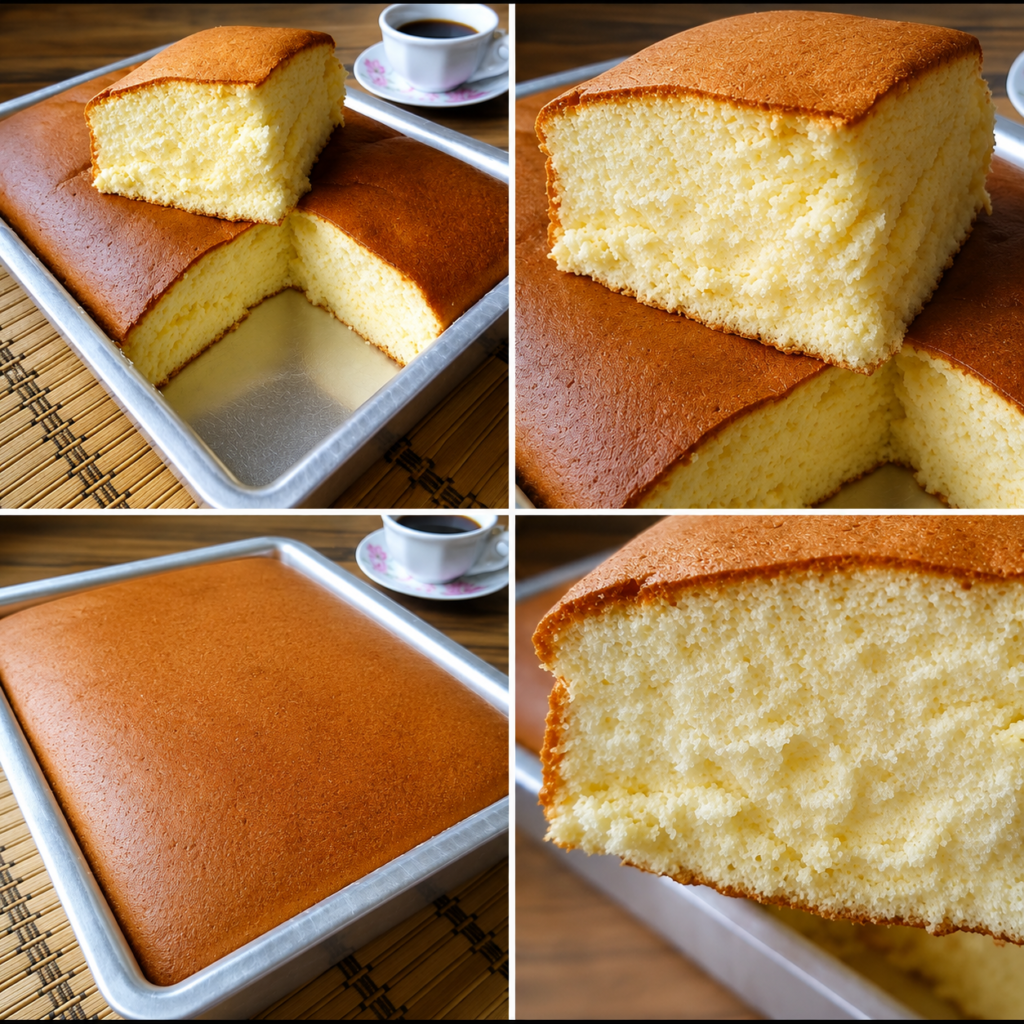

Looking for a cake that feels indulgent but still fits a high-protein, low-carb lifestyle? This Vanilla Protein Cake is soft, moist, creamy, and delicately sweet, with a classic vanilla flavor that makes every bite comforting.
The secret is cottage cheese, which adds protein and moisture while creating a tender texture when blended until smooth. Almond flour keeps the cake naturally lower in carbohydrates, while eggs and egg whites provide even more protein without the need for protein powder.
Whether you enjoy it for breakfast, an afternoon snack, or a lighter dessert, this easy low-carb cake is a delicious way to satisfy a sweet craving.
Short Description
This soft Vanilla Protein Cake is made with creamy cottage cheese, almond flour, and eggs.
It is naturally low in carbohydrates while offering a satisfying amount of protein.
Perfect for breakfast, snacks, meal prep, or a simple everyday dessert.
Can This Vanilla Protein Cake Support Weight Loss Goals?
This Vanilla Protein Cake can be included in a balanced eating plan designed around weight-management goals. Cottage cheese, eggs, and egg whites make the recipe protein-friendly, while almond flour and a low-carb sweetener help keep the overall carbohydrate content moderate.
Protein can contribute to a more satisfying meal or snack, which may make this cake a useful alternative to traditional cakes that are primarily made with refined flour and sugar. However, portion size and your overall daily nutrition still matter.
Does This Recipe Fit a High-Protein Lifestyle?
Yes, this recipe fits well into a high-protein lifestyle because cottage cheese is its primary protein source, with additional protein coming from eggs and egg whites. The use of almond flour keeps the cake grain-free and contributes fiber and some protein. Each serving contains approximately 13 grams of protein and around 3 grams of net carbs, based on the recipe quantities below. It is a convenient option when you want something sweet without making protein powder the main ingredient.
Why This Recipe Is Special
- Cottage cheese makes it protein-rich — It adds protein while helping create a naturally moist texture.
- Low-carb ingredients — Almond flour and a low-carb sweetener replace conventional flour and sugar.
- Soft vanilla crumb — Eggs and blended cottage cheese help keep every slice tender.
- Quick and simple — The batter takes only a few minutes to prepare.
- Meal-prep friendly — Bake once and enjoy individual slices throughout the week.
My Personal Experience
- The texture is my favorite part of this cake.
Blending the cottage cheese makes the batter silky smooth and helps create a soft, tender crumb. - It satisfies a sweet craving without feeling overly rich.
The gentle vanilla flavor and light sweetness make it enjoyable at breakfast or as an evening treat. - I love how easy it is to prepare ahead.
Once baked and cooled, I can slice the cake into portions and keep them ready in the refrigerator. - The vanilla flavor pairs beautifully with berries.
Fresh strawberries, blueberries, or raspberries add brightness without overpowering the creamy vanilla taste. - It feels more substantial than ordinary cake.
The combination of cottage cheese, eggs, and egg whites gives each slice a satisfying protein boost.
Perfect For
This cake is perfect for busy weeknights, breakfast meal prep, afternoon snacks, weekend baking, lighter desserts, and low-carb meal plans. It is especially convenient when you want a homemade sweet treat that can be portioned and stored for several days.
Serve it plain for a simple snack, or add Greek yogurt and fresh berries when you want a more filling breakfast-style dessert.
Why You’ll Love This Recipe
- High-protein without protein powder
Cottage cheese, eggs, and egg whites provide the main protein boost using familiar ingredients. - Soft instead of dry
The blended cottage cheese helps keep the cake moist and tender after baking. - Low in net carbs
Almond flour and a low-carb sweetener help keep the net carbohydrate count relatively low. - Classic vanilla flavor
Pure vanilla extract gives the cake a warm, familiar flavor that works with almost any topping. - Easy to portion
The cake cuts neatly into individual servings, making it convenient for meal prep.
Common Mistakes to Avoid
- Not blending the cottage cheese enough
Visible curds can leave an uneven texture. Blend until the cottage cheese is completely smooth and creamy. - Overbaking the cake
The cake can become firm or dry if left in the oven too long. Remove it when the center is set and a toothpick shows a few moist crumbs. - Overmixing the batter
Stir the wet and dry ingredients only until combined to help maintain a tender texture. - Cutting the cake while it is hot
Give it time to cool and set before slicing, or the center may seem softer than it actually is.
Required Equipment
- Blender — creates a completely smooth cottage cheese mixture.
- Mixing bowl — makes combining the dry and wet ingredients simple.
- 8-inch round cake pan — gives the cake an even thickness for consistent baking.
- Parchment paper — helps release the cake easily from the pan.
- Rubber spatula — gently combines the batter without excessive mixing.
- Wire cooling rack — helps prevent moisture from collecting underneath the cake.
Storage Instructions
Allow the cake to cool completely before storing. Place individual slices in an airtight container and refrigerate for up to 4 days.
For freezing, wrap individual slices in parchment or freezer-safe wrap and place them inside a freezer-safe container or zip-top freezer bag. Freeze for up to 2 months for the best texture and flavor.
Thaw frozen slices overnight in the refrigerator or at room temperature before serving. If you prefer the cake warm, reheat briefly rather than heating for a long time, which can make the protein-rich texture firm.
Recipe Details
- Preparation Time: 10 minutes
- Cooking Time: 25–30 minutes
- Total Time: 35–40 minutes
- Servings: 6
- Best Season: All-season
- Calories: Approximately 150 calories per serving
📝 Ingredients
- 1 ½ cups low-fat cottage cheese
- 2 large eggs
- ½ cup liquid egg whites
- ½ cup fine almond flour
- ⅓ cup granulated allulose or low-carb baking sweetener
- 2 teaspoons pure vanilla extract
- 1 ½ teaspoons baking powder
- ¼ teaspoon salt
- 1 tablespoon unsalted butter, melted
- 2 tablespoons unsweetened almond milk, if needed
Ingredient notes: Use finely ground almond flour rather than coarse almond meal for a softer crumb. If your cottage cheese contains larger curds, blend it thoroughly until completely smooth. Sweetener intensity varies by brand, so adjust according to taste.
Directions
1. Preheat the Oven
Preheat your oven to 350°F (175°C).
Line an 8-inch round cake pan with parchment paper and lightly grease the sides.
2. Blend the Wet Ingredients
Add cottage cheese, eggs, egg whites, melted butter, and vanilla extract to a blender.
Blend on medium speed for 30–45 seconds, or until the mixture looks completely smooth and creamy.
3. Mix the Dry Ingredients
In a large bowl, whisk together the almond flour, low-carb sweetener, baking powder, and salt.
Whisking helps distribute the baking powder evenly throughout the flour.
4. Make the Batter
Pour the blended cottage cheese mixture into the dry ingredients.
Use a spatula to gently mix until no obvious dry pockets remain. Avoid vigorous or prolonged mixing.
Texture cue: The batter should be smooth, thick, and pourable. If it seems unusually thick, add the almond milk one tablespoon at a time.
5. Transfer to the Pan
Pour the batter into the prepared cake pan.
Smooth the surface with a spatula so the cake bakes evenly.
6. Bake
Place the pan in the center of the preheated oven.
Bake at 350°F (175°C) for 25–30 minutes.
Start checking at the 25-minute mark.
7. Check for Doneness
The top should be lightly golden and the center should look set rather than wet.
Insert a toothpick into the center. It should come out clean or with a few moist crumbs attached.
8. Cool
Let the cake cool in the pan for 10 minutes.
Transfer it to a wire rack and allow it to cool further before slicing.
High-protein cooking tip: Protein-rich cakes can become firm when overcooked. Take the cake out as soon as it is set to help preserve its soft, moist texture.
9. Slice and Serve
Cut the cooled cake into 6 portions.
Enjoy it plain or top it with Greek yogurt, fresh berries, cinnamon, or a light dusting of low-carb powdered sweetener.
Nutrition Facts (Per Serving – Approximate)
These values are approximate and can vary depending on the brands and specific ingredients used.
- Calories: ~150 kcal
- Fats: ~8 g
- Cholesterol: ~65 mg
- Sodium: ~225 mg
- Potassium: ~180 mg
- Total Carbohydrates: ~5 g
- Fiber: ~2 g
- Net Carbs: ~3 g
- Sugars: ~2 g
- Protein: ~13 g
- Calcium: ~100 mg
Notes
- Storage: Keep cooled slices refrigerated in an airtight container for up to 4 days.
- Freezing: Freeze individually wrapped slices for up to 2 months.
- Reheating: Microwave one slice for about 10–15 seconds. Avoid overheating to prevent a rubbery texture.
- Allergies: Contains dairy, eggs, and almonds.
- Dairy-free: A dairy-free cottage cheese substitute may change the texture and nutrition considerably.
- Flavor boost: Add lemon zest for a bright vanilla-lemon variation.
- Warm spice: Add ½ teaspoon cinnamon for a cozy flavor.
- Berry topping: Serve with strawberries, raspberries, or blueberries.
- Extra protein: Add a spoonful of plain Greek yogurt on top when serving.
Frequently Asked Questions
Can I taste the cottage cheese?
Blending the cottage cheese until completely smooth minimizes its flavor and gives the cake a creamy, mild texture.
Can I use full-fat cottage cheese?
Yes, but full-fat cottage cheese will increase the calories and fat per serving.
Can I make this cake without protein powder?
Yes, this recipe is specifically designed to obtain its protein primarily from cottage cheese, eggs, and egg whites.
Is this recipe keto-friendly?
It may fit some keto-style meal plans because it is low in net carbohydrates, although individual carbohydrate targets vary.
Can I add chocolate chips?
Yes, you can add a small amount of sugar-free chocolate chips, but this will change the calorie and nutrition values.
Why is my cake dense?
A dense cake can result from overmixing, insufficient leavening, or underbaking, so mix gently and bake until the center is fully set.