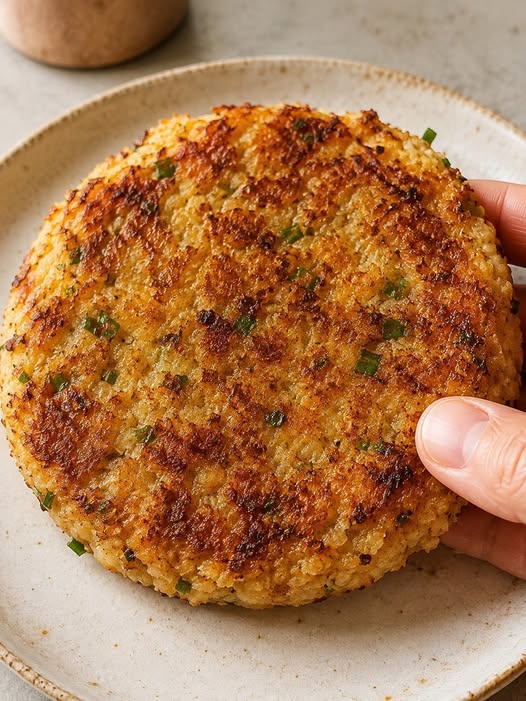

These Vegan Potato Cakes are golden, crispy, and wonderfully comforting, with a tender, fluffy potato center and a beautifully browned exterior. Made with simple pantry ingredients, fresh herbs, garlic, and a touch of seasoning, they’re an easy way to turn leftover or freshly cooked potatoes into something delicious.
The crisp outside contrasts perfectly with the soft potato inside, making these cakes appealing as a vegan breakfast, savory snack, side dish, or light lunch. They can be pan-fried with a modest amount of oil and customized with vegetables, herbs, or spices for extra flavor.
If you’re looking for an easy vegan potato recipe that’s budget-friendly, satisfying, and simple enough for a busy weeknight, these crispy potato cakes are a great choice.
Short Description
Golden vegan potato cakes with a crispy exterior and soft, fluffy center.
A simple, comforting recipe made with potatoes, herbs, garlic, and pantry staples.
Perfect for breakfast, snacks, side dishes, or easy meat-free meals.
Can Vegan Potato Cakes Support Weight Loss Goals?
Vegan potato cakes can fit into a weight-conscious eating pattern when enjoyed in a sensible portion. Potatoes provide carbohydrates and some fiber, while the recipe can be prepared with a moderate amount of oil rather than deep-fried.
For a more balanced meal, serve the cakes with plenty of vegetables and a plant-based protein source such as beans, lentils, tofu, or a protein-rich vegan yogurt dip. The overall meal and portion size matter more than any individual recipe.
Do Vegan Potato Cakes Fit a High-Protein Lifestyle?
These vegan potato cakes are not naturally high in protein, because potatoes are primarily a carbohydrate source and the basic recipe contains no concentrated protein ingredient. They can still fit a high-protein lifestyle when paired with tofu, lentils, beans, or a protein-rich plant-based dip. The cakes contain moderate net carbohydrates from the potatoes and breadcrumbs. For a more protein-focused version, add mashed white beans or crumbled tofu to the mixture while keeping enough potato for the cakes to hold together.
Why This Recipe Is Special
- Crispy and comforting: Pan-frying creates a golden crust while the inside stays soft and tender.
- Naturally vegan: No eggs, dairy, butter, or other animal products are needed.
- Budget-friendly: Potatoes and simple pantry ingredients make this an economical recipe.
- Great for leftovers: It’s an easy way to transform leftover mashed potatoes into a completely different meal.
- Customizable: Fresh herbs, spices, vegetables, and plant-based protein can easily be added.
My Personal Experience
- They turned beautifully golden.
The potato cakes developed an attractive golden-brown color as they cooked in the pan. - The outside became crispy.
The browned exterior gave each cake a satisfying crunch while keeping the potato center tender. - They were easy to serve.
The cakes held their shape well enough to transfer from the pan without falling apart. - The contrast in texture was especially enjoyable.
The crisp outside paired naturally with the soft, fluffy potato interior.
Perfect For
These vegan potato cakes are perfect for breakfasts, brunches, quick lunches, weeknight side dishes, meat-free dinners, snacks, meal prep, and holiday leftovers.
Serve them with a fresh salad, sautéed vegetables, vegan yogurt sauce, hummus, avocado, or a plant-based protein for a more complete meal. They’re especially useful when you have leftover mashed potatoes that need a delicious makeover.
Why You’ll Love This Recipe
- Crispy outside, fluffy inside
Pan-frying creates a golden crust while the mashed potato center stays soft and comforting. - Simple pantry ingredients
You only need potatoes, breadcrumbs, seasonings, herbs, and a little oil. - Completely vegan
There are no eggs or dairy products holding the cakes together. - Perfect for leftovers
Cold mashed potatoes can be transformed into a fresh and exciting meal. - Easy to customize
Add green onions, parsley, garlic, chili flakes, corn, peas, or your favorite plant-based protein.
Common Mistakes to Avoid
- Using very wet mashed potatoes: Excess moisture can make the cakes difficult to shape and cause them to break apart in the pan.
- Skipping the chilling step: Briefly chilling the shaped cakes helps them firm up and hold their shape while cooking.
- Using too much oil: Excess oil can make the cakes greasy instead of crisp and golden.
- Flipping too early: Let the first side develop a firm golden crust before turning to prevent the cakes from breaking.
Required Equipment
- Large pot — cooks the potatoes evenly until tender.
- Potato masher — creates a smooth but slightly textured potato base.
- Large mixing bowl — provides enough space to combine the ingredients evenly.
- Non-stick skillet — helps prevent sticking while creating an even golden crust.
- Spatula — makes it easier to flip the cakes without breaking them.
- Baking sheet or plate — provides a convenient surface for shaping and chilling the cakes.
Storage Instructions
Allow cooked potato cakes to cool completely before storing them in an airtight container. Refrigerate for up to 4 days.
For freezing, place cooled cakes in a single layer on a baking sheet and freeze until firm. Transfer them to a freezer-safe bag or container, separating layers with parchment paper. Freeze for up to 2 months for best quality.
Reheat refrigerated or thawed cakes in a skillet over medium-low heat for 3–5 minutes per side, or bake at 375°F (190°C) for approximately 10–15 minutes. An air fryer can also help restore the crisp exterior.
Recipe Details
Preparation Time: 20 minutes
Cooking Time: 15–20 minutes
Total Time: 35–40 minutes
Servings: 8 potato cakes
Best Season: All-season
Total Calories: Approximately 145 calories per cake
Ingredients
- 1½ lb (680 g) potatoes — peeled and cut into chunks
- ½ cup (55 g) plain breadcrumbs — use vegan breadcrumbs
- ¼ cup (30 g) finely diced green onions
- 2 cloves garlic — minced
- 2 tablespoons fresh parsley — finely chopped
- 1 tablespoon nutritional yeast — optional, for savory flavor
- ½ teaspoon smoked paprika
- ½ teaspoon dried oregano
- ¼ teaspoon black pepper
- ½ teaspoon salt — adjust according to the potatoes and breadcrumbs
- 2 tablespoons olive oil — plus more as needed for pan-frying
- 1 tablespoon lemon juice
- 2 tablespoons unsweetened plant milk — only if the mixture needs moisture
Ingredient notes: Use starchy potatoes such as russet or Yukon Gold for cakes that hold together well. If using leftover mashed potatoes, skip boiling the potatoes and begin with approximately 3 cups of cold mashed potato.
Directions
- Cook the potatoes.
Place the peeled potato chunks in a large pot and cover with cold water. Bring to a boil over medium-high heat, then reduce to medium heat and cook for 12–15 minutes, or until the potatoes are fork-tender. - Drain thoroughly.
Drain the potatoes completely and allow them to sit in the warm pot for 2–3 minutes. This helps excess moisture evaporate, which is important for crispy cakes. - Mash the potatoes.
Mash while warm until mostly smooth. Avoid adding water or plant milk unless the potatoes are unusually dry. - Prepare the mixture.
Transfer the mashed potatoes to a large bowl. Add breadcrumbs, green onions, garlic, parsley, nutritional yeast, smoked paprika, oregano, black pepper, salt, olive oil, and lemon juice. - Combine gently.
Mix until the ingredients are evenly distributed. The mixture should be soft but firm enough to shape. If it feels too dry, add plant milk 1 teaspoon at a time. - Shape the cakes.
Divide the mixture into 8 equal portions. Shape each portion into a round patty approximately ½-inch thick. Press the edges gently so they don’t crack. - Chill briefly.
Place the shaped cakes on a plate or baking sheet and refrigerate for 15 minutes. This helps the cakes firm up before frying. - Heat the skillet.
Place a non-stick skillet over medium heat and add enough olive oil to lightly coat the surface. Allow the oil to heat for approximately 1–2 minutes. It should shimmer but not smoke. - Cook the first side.
Carefully place the cakes in the pan without overcrowding. Cook for 3–4 minutes without moving them. The underside should become deep golden brown and crisp. - Flip carefully.
Use a wide spatula to turn each cake. Cook the second side for another 3–4 minutes, until golden and crisp. - Check the texture.
The finished cakes should have a firm, crispy exterior and a soft, fluffy potato center. If the outside is browning too quickly, reduce the heat to medium-low. - Drain excess oil.
Transfer the cooked cakes to a paper towel-lined plate or wire rack for 1–2 minutes. - High-protein cooking tip:
Serve the cakes with a protein-rich vegan accompaniment such as hummus, lentil salad, seasoned tofu, beans, or unsweetened soy yogurt. You can also replace part of the potato with mashed white beans for a higher-protein variation. - Serve warm.
Garnish with fresh parsley or green onions and serve immediately with your favorite vegan dipping sauce.
Nutrition Facts (Per Cake – Approximate)
- Calories: 145 kcal
- Fat: 5 g
- Cholesterol: 0 mg
- Sodium: 230 mg
- Potassium: 300 mg
- Total Carbohydrates: 22 g
- Fiber: 2 g
- Net Carbs: 20 g
- Sugars: 1 g
- Protein: 3 g
- Calcium: 25 mg
Nutrition values are approximate and can vary depending on potato size, breadcrumb brand, amount of oil absorbed during frying, and exact ingredient quantities.
Notes
- Storage: Refrigerate cooked cakes in an airtight container for up to 4 days.
- Freezing: Freeze cooked cakes for up to 2 months, separating them with parchment paper.
- Reheating: Use a skillet, oven, or air fryer to restore the crisp exterior. Avoid prolonged microwaving if you want them crispy.
- Allergy notes: Check breadcrumb and nutritional yeast labels if you need to avoid specific allergens. Use certified vegan ingredients when required.
- Gluten-free option: Replace regular breadcrumbs with certified gluten-free breadcrumbs.
- Flavor boost: Add fresh dill, chives, rosemary, chili flakes, curry powder, or a little lemon zest.
- Extra crispiness: Make the cakes slightly thinner and avoid overcrowding the skillet.
- Protein boost: Serve with hummus, lentils, beans, tofu, or a protein-rich vegan yogurt dip.
- Baking option: For less hands-on cooking, brush the cakes lightly with oil and bake at 425°F (220°C) for 20–25 minutes, turning halfway through.
Frequently Asked Questions
1. Can I make vegan potato cakes with leftover mashed potatoes?
Yes, leftover mashed potatoes work especially well and can save preparation time.
2. Why are my potato cakes falling apart?
The potatoes may contain too much moisture or the mixture may need more breadcrumbs to provide structure.
3. How do I make potato cakes extra crispy?
Use relatively dry mashed potatoes, avoid overcrowding the pan, and allow each side to brown undisturbed before flipping.
4. Can I bake vegan potato cakes instead of frying them?
Yes, bake them at 425°F (220°C) for about 20–25 minutes, turning halfway through cooking.
5. Are vegan potato cakes high in protein?
The basic recipe is not particularly high in protein, but pairing it with tofu, beans, lentils, hummus, or a protein-rich vegan dip can make the meal more protein-focused.
6. Can I freeze vegan potato cakes?
Yes, cooked potato cakes can be frozen for up to 2 months and reheated in a skillet, oven, or air fryer.