
Description
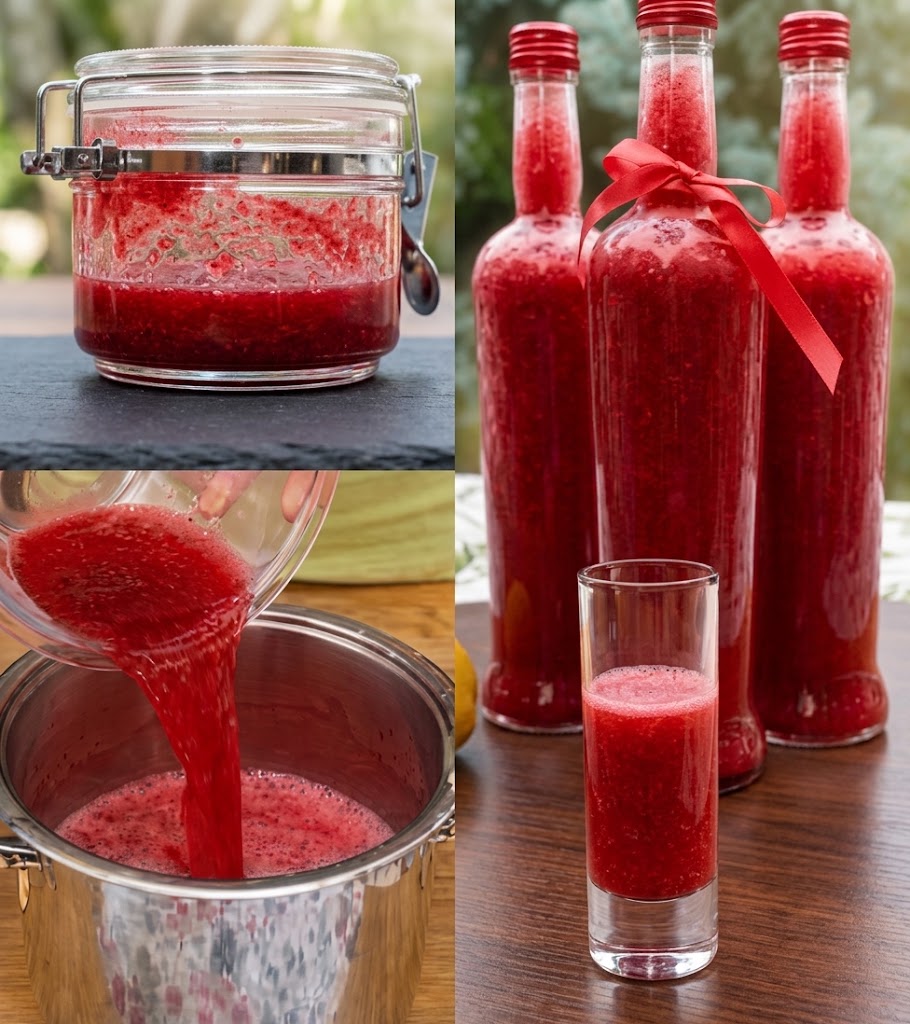
This homemade Watermelon Juice Concentrate is a simple way to turn fresh, juicy watermelon into an intensely fruity concentrate with a naturally sweet flavor. Gently reducing watermelon juice removes excess water while preserving its refreshing fruit character, creating a versatile ingredient for drinks, smoothies, mocktails, sauces, and desserts.
Because watermelon is naturally sweet, this recipe needs no added sugar. It is also easy to portion, refrigerate, or freeze, making it a practical way to preserve the flavor of ripe summer watermelon.
Short 3-Line Description
Fresh watermelon is blended, strained, and gently reduced into a concentrated fruit base.
No refined sugar is needed because ripe watermelon provides natural sweetness.
Use it in drinks, smoothies, desserts, sauces, or homemade frozen treats.
Can This Watermelon Juice Concentrate Support Weight Loss Goals?
It can be incorporated into a balanced eating plan, particularly when used in small portions and without added sugar. However, watermelon concentrate becomes more calorie- and carbohydrate-dense per spoonful than whole watermelon because much of its water is removed. For weight-conscious eating, use a measured serving and consider diluting it with water or sparkling water rather than consuming large amounts at once.
Does Watermelon Juice Concentrate Fit a High-Protein Lifestyle?
Watermelon juice concentrate is not a high-protein food, as watermelon naturally contains very little protein.
It can still fit a high-protein lifestyle when used as a flavoring or beverage ingredient alongside protein-rich foods.
Because the juice is concentrated, its net carbs are relatively high compared with protein-rich foods.
For a more balanced snack, pair a small serving with Greek yogurt, cottage cheese, or another protein-rich food.
Why This Recipe Is Special
- No added sugar: Ripe watermelon provides plenty of natural sweetness.
- Only a few ingredients: Fresh watermelon and a little lemon juice are all you need.
- Versatile: Use it for beverages, desserts, smoothies, sauces, and frozen treats.
- Naturally refreshing: The concentrated watermelon flavor is especially delicious during warm weather.
- Freezer-friendly: Small portions can be frozen for convenient future use.
My Personal Experience
- The flavor becomes surprisingly intense.
Reducing the watermelon transforms its light, watery flavor into a much more concentrated fruit taste. - Ripe watermelon makes the biggest difference.
Sweet, deeply colored watermelon produces a noticeably better concentrate than underripe fruit. - A little concentrate goes a long way.
I like using small spoonfuls in sparkling water because the watermelon flavor comes through without needing much. - It is especially useful for summer drinks.
A frozen portion can quickly turn ordinary water, lemonade, or a smoothie into something much more flavorful.
Perfect For
This concentrate is perfect for summer drinks, homemade lemonade, sparkling-water beverages, smoothies, mocktails, desserts, popsicles, shaved ice, yogurt toppings, and fruit sauces. It is also useful for meal prep because you can freeze it in small portions and use only what you need.
Why You’ll Love This Recipe
- No complicated equipment is required.
A blender, fine-mesh strainer, saucepan, and storage container are enough to make it at home. - It uses naturally sweet watermelon.
There is no need to add refined sugar when the fruit is ripe and flavorful. - It’s incredibly versatile.
One batch can become drinks, dessert toppings, smoothie flavoring, or frozen treats. - You can control the concentration.
Reduce it longer for a thicker, stronger concentrate or stop earlier for a lighter fruit base. - It’s easy to freeze.
Ice-cube trays make convenient individual portions for future drinks and recipes.
Common Mistakes to Avoid
- Using underripe watermelon: Bland watermelon produces bland concentrate, so choose fruit that is ripe, fragrant, and naturally sweet.
- Boiling too aggressively: High heat can give the juice a cooked flavor and may cause excessive foaming; use gentle to moderate heat.
- Skipping the straining step: Leaving pulp behind can make the finished concentrate cloudy and thicker than intended.
- Reducing it too far: Over-reduction can create a very thick syrup and intensify the sweetness excessively.
Required Equipment
- Blender — Quickly turns fresh watermelon into smooth juice.
- Fine-mesh strainer — Removes seeds, pulp, and fibrous particles for a cleaner concentrate.
- Large saucepan — Provides enough surface area for efficient evaporation.
- Wooden spoon or silicone spatula — Makes occasional stirring easy without scratching the pan.
- Airtight glass container — Helps protect the finished concentrate from refrigerator odors.
- Ice-cube tray — Creates convenient small portions for freezing.
Storage Instructions
Refrigerator: Transfer the cooled concentrate to a clean, airtight glass jar or food-safe container and refrigerate promptly. For best quality, use within 5–7 days.
Freezer: Pour the concentrate into an ice-cube tray or small freezer-safe containers, leaving room for expansion. Once frozen, transfer cubes to a labeled freezer bag or airtight container. Use within 2–3 months for best flavor.
Important: This homemade recipe is not shelf-stable simply because it has been concentrated. Keep it refrigerated or frozen; do not store it at room temperature unless using a properly tested canning method.
Recipe Details
- Preparation Time: 15 minutes
- Cooking Time: 35–50 minutes
- Total Time: About 50–65 minutes
- Servings: 16 tablespoons
- Best Season for This Recipe: Summer
- Total Calories (Per Serving): Approximately 23 calories per 1 tablespoon
📝 Ingredients
- 8 cups (about 1.2 kg) ripe seedless watermelon, cubed
- 1 tablespoon fresh lemon juice — optional, brightens the watermelon flavor.
- Pinch of salt — optional; helps enhance the fruit’s natural sweetness.
No added sugar is necessary when using ripe watermelon.
Directions
- Prepare the watermelon.
Cut the watermelon into cubes and remove any remaining seeds or tough white portions. - Blend until smooth.
Add the watermelon cubes to a blender and blend on medium-high speed for 30–60 seconds, working in batches if necessary. The mixture should look completely liquid. - Strain the juice.
Pour the blended watermelon through a fine-mesh strainer into a large bowl or measuring jug. Press gently with a spatula to extract the juice, but avoid forcing excessive pulp through the strainer. - Measure the juice.
You should have several cups of watermelon juice. Pour it into a wide saucepan. A wider pan helps water evaporate more efficiently. - Add flavor boosters.
Stir in the lemon juice and optional pinch of salt. These ingredients should enhance the watermelon rather than overpower it. - Begin reducing.
Place the saucepan over medium heat and bring the juice to a gentle simmer. Do not rapidly boil it.
Cooking time: Begin checking after about 25–30 minutes. - Reduce gently.
Continue simmering uncovered for approximately 35–50 minutes, stirring occasionally. The volume should decrease substantially and the watermelon flavor should become noticeably stronger. - Watch the texture.
The finished concentrate should be thicker and more intensely flavored than fresh watermelon juice but still pourable. It will thicken slightly more as it cools. - Cool safely.
Remove the saucepan from the heat and allow the concentrate to cool briefly. Transfer it to a clean airtight container and refrigerate promptly. - Portion and use.
Use about 1–2 tablespoons to flavor water, sparkling water, lemonade, smoothies, yogurt, or desserts.
High-protein tip: For a more balanced snack, stir a small amount into plain Greek yogurt rather than consuming the concentrate by itself.
Nutrition Facts (Per Serving – Approximate)
Serving size: 1 tablespoon
| Nutrient | Amount |
|---|---|
| Calories | ~23 kcal |
| Fats | ~0.1 g |
| Cholesterol | 0 mg |
| Sodium | ~2 mg |
| Potassium | ~70 mg |
| Total Carbohydrates | ~5.8 g |
| Fiber | ~0.3 g |
| Net Carbs | ~5.5 g |
| Sugars | ~4.8 g |
| Protein | ~0.4 g |
| Calcium | ~4 mg |
Nutrition values are approximate. Actual values vary according to the sweetness, weight, and final reduction of the watermelon. Because water is removed during cooking, the nutrition per tablespoon can vary considerably depending on how concentrated the final product becomes.
Notes
- For sweeter concentrate: Use very ripe watermelon rather than adding sugar.
- For brighter flavor: Add the lemon juice after blending.
- For a stronger concentrate: Continue reducing gradually, checking frequently near the end.
- For beverages: Mix 1–2 tablespoons concentrate with chilled water or sparkling water and adjust to taste.
- For smoothies: Freeze the concentrate in ice-cube trays and blend a cube directly into smoothies.
- For desserts: Drizzle a small amount over plain Greek yogurt, cottage cheese, pancakes, or frozen desserts.
- Storage: Refrigerate for 5–7 days or freeze for 2–3 months.
- Allergy notes: This recipe is naturally dairy-free, gluten-free, nut-free, and egg-free when prepared as written.
Frequently Asked Questions
1. Can I make watermelon concentrate without sugar?
Yes, ripe watermelon is naturally sweet enough that added sugar is usually unnecessary.
2. How do I make the concentrate thicker?
Continue simmering gently over medium-low heat until more water evaporates and the desired consistency is reached.
3. Can I use frozen watermelon?
Yes, thaw it first and drain excess liquid before blending, although fresh ripe watermelon generally provides the best flavor.
4. How should I use watermelon concentrate?
Mix it into sparkling water, lemonade, smoothies, yogurt, desserts, popsicles, or other recipes that benefit from concentrated watermelon flavor.
5. Why did my concentrate turn darker?
Extended exposure to heat can darken watermelon juice slightly; gentle simmering and avoiding excessive cooking help preserve a fresher color.
6. Can I store homemade watermelon concentrate in the pantry?
No; this recipe should be refrigerated or frozen because ordinary reduction does not make homemade watermelon concentrate shelf-stable.