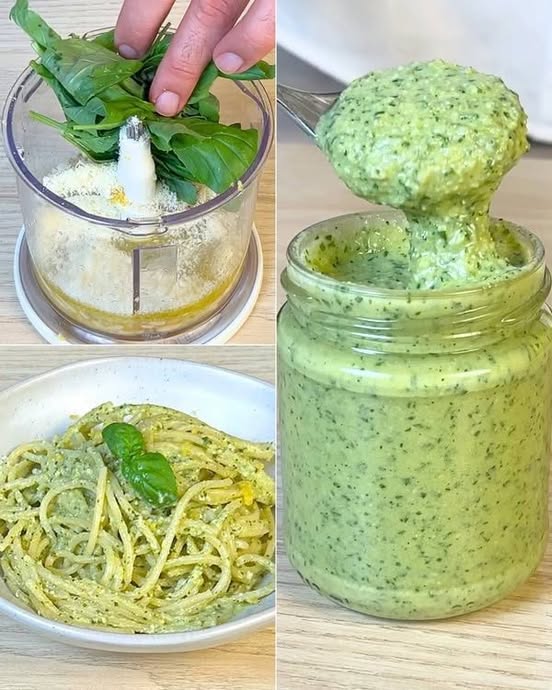

This Vegan Pesto is bright, herby, garlicky, and wonderfully fresh, with fragrant basil blended with toasted nuts, lemon, garlic, and extra-virgin olive oil. Nutritional yeast adds a savory, cheesy depth without using Parmesan, making this pesto completely dairy-free. It comes together in minutes and instantly elevates pasta, sandwiches, roasted vegetables, grain bowls, pizzas, and salads.
Can This Vegan Pesto Support Weight Loss Goals?
Yes, it can fit into a balanced eating pattern when used in moderate portions. Basil and nuts provide useful nutrients and some fiber, while olive oil and nuts are calorie-dense, so portion size matters. Using pesto as a flavor-packed sauce over vegetables or lean protein can add plenty of flavor without requiring a large amount.
Does Vegan Pesto Fit a High-Protein Lifestyle?
Vegan pesto contains some plant-based protein from pine nuts or walnuts and nutritional yeast, but it is not a high-protein food on its own.
Nutritional yeast can increase the protein contribution while adding savory flavor.
For a higher-protein meal, pair the pesto with chickpea pasta, lentil pasta, tofu, tempeh, or beans.
The pesto itself is naturally low in carbohydrates, with most of its calories coming from healthy fats.
Why This Recipe is Special
- Completely vegan: No Parmesan or other dairy is needed.
- Fresh & vibrant: Basil and lemon create a bright flavor.
- Rich and savory: Nutritional yeast gives it a delicious cheesy note.
- Quick: Ready in about 10 minutes.
- Versatile: Works with pasta, vegetables, sandwiches, pizza, and more.
My Personal Experience
- The fresh basil makes this pesto taste incredibly vibrant.
Blending it shortly before serving gives the sauce a wonderfully aromatic flavor. - Toasting the nuts adds another layer of flavor.
Just a few minutes in a dry skillet brings out their natural nuttiness. - The nutritional yeast provides the savory finish I want.
It gives the pesto a satisfying cheesy character without dairy. - A squeeze of lemon keeps the pesto from tasting too heavy.
The acidity brightens the basil, garlic, and olive oil beautifully.
Perfect For
This pesto is perfect for weeknight dinners, meal prep, vegan lunches, sandwiches, pasta bowls, grain bowls, pizza nights, roasted vegetables, summer meals, appetizers, dips, and quick high-protein plant-based meals.
Why You’ll Love This Recipe
- Ready in minutes
A food processor does most of the work. - Fresh and flavorful
Basil, garlic, lemon, and olive oil create a naturally vibrant sauce. - Dairy-free
Nutritional yeast replaces traditional Parmesan. - Easy to customize
Swap the nuts, adjust the garlic, or add extra lemon to suit your taste. - Meal-prep friendly
A batch can transform simple leftovers into flavorful meals throughout the week.
Common Mistakes to Avoid
- Overprocessing the basil — Blend just until combined to preserve the fresh texture and color.
- Using stale nuts — Rancid nuts can give the pesto a bitter flavor.
- Adding too much oil at once — Gradual addition makes it easier to control the consistency.
- Overdoing the garlic — Raw garlic becomes stronger as the pesto sits, so start with less if preferred.
Required Equipment
- Food processor — Quickly creates a smooth or rustic pesto texture.
- Small skillet — Makes toasting the nuts fast and easy.
- Rubber spatula — Scrapes every bit of pesto from the processor bowl.
- Measuring cups and spoons — Keep the oil, nuts, and seasonings balanced.
Storage Instructions
Transfer pesto to a clean airtight glass jar or container and refrigerate for up to 5 days.
Press a piece of plastic wrap directly onto the surface or add a very thin layer of olive oil over the top to reduce air exposure and help preserve its fresh color.
For longer storage, freeze pesto in ice cube trays or small freezer containers for up to 3 months. Thaw individual portions in the refrigerator or stir them directly into hot pasta or vegetables.
Recipe Details
- Preparation Time: 10 minutes
- Cooking Time: 5 minutes for optional nut toasting
- Total Time: 10–15 minutes
- Servings: 8
- Best Season: Summer
- Total Calories (Per Serving): Approximately 155 calories (estimate)
Short Description
This Vegan Pesto is a fresh, garlicky basil sauce made without Parmesan or dairy.
Toasted nuts, nutritional yeast, lemon, and extra-virgin olive oil create a rich yet vibrant flavor.
Use it with pasta, vegetables, sandwiches, pizza, or high-protein plant-based meals.
📝 Ingredients
- 2 cups fresh basil leaves, loosely packed
- ½ cup pine nuts or walnuts
- 2 cloves garlic, roughly chopped
- ¼ cup nutritional yeast
- 2 tablespoons fresh lemon juice
- ½ teaspoon fine sea salt
- ¼ teaspoon black pepper
- ½ cup extra-virgin olive oil
- 2–3 tablespoons water, optional, for adjusting consistency
Ingredient notes: Pine nuts create the most traditional flavor, while walnuts are a more economical alternative. Use nutritional yeast labeled vegan if needed.
Directions
- Toast the nuts — 4–5 minutes
Place the pine nuts or walnuts in a dry skillet over medium-low heat. Toast, stirring frequently, until lightly golden and fragrant. Visual cue: The nuts should be lightly browned but never dark or burnt. - Cool briefly — 2 minutes
Transfer the nuts to a plate and let them cool slightly. - Prepare the basil — 1 minute
Gently wash the basil and dry it thoroughly. Excess water can make the pesto watery. - Blend the base — 1 minute
Add basil, toasted nuts, garlic, nutritional yeast, lemon juice, salt, and black pepper to a food processor. - Add olive oil — 1–2 minutes
Pulse several times, then gradually pour in the olive oil while processing. Texture cue: The pesto should be thick, spoonable, and slightly textured rather than completely smooth. - Adjust consistency — 30 seconds
Add water, 1 tablespoon at a time, if a thinner pesto is desired. High-protein tip: Use this pesto as a sauce for chickpea or lentil pasta, tofu, tempeh, or grilled beans to turn it into a more protein-rich meal. - Taste and adjust — 1 minute
Taste and add more lemon, salt, garlic, or nutritional yeast if desired. - Serve immediately or store
Toss with pasta, spread on bread, spoon over roasted vegetables, or use as a sauce for your favorite plant-based protein.
Nutrition Facts — Per Serving (Approximate)
| Nutrient | Amount |
|---|---|
| Calories | ~155 kcal |
| Fat | ~15 g |
| Cholesterol | 0 mg |
| Sodium | ~155 mg |
| Potassium | ~105 mg |
| Total Carbohydrates | ~3 g |
| Fiber | ~1 g |
| Net Carbs | ~2 g |
| Sugars | ~1 g |
| Protein | ~3 g |
| Calcium | ~25 mg |
Nutrition values are approximate and depend on the nuts, nutritional yeast, and amount of olive oil used.
Notes
- Storage: Refrigerate in an airtight container for up to 5 days.
- Freezing: Freeze for up to 3 months in small portions.
- Reheating: Pesto is best stirred into warm food rather than directly boiled.
- Allergy notes: Contains tree nuts if made with pine nuts or walnuts. Nutritional yeast products may be produced in facilities handling other allergens.
- Nut-free option: Try sunflower seeds or pumpkin seeds.
- Flavor boost: Add lemon zest, extra basil, roasted garlic, or a pinch of red pepper flakes.
- Higher-protein meal: Pair with lentil pasta, chickpea pasta, tofu, tempeh, or white beans.
- Lower-calorie option: Use slightly less olive oil and thin the pesto with water or additional lemon juice.
- Color tip: Keep the basil dry and avoid prolonged processing to help maintain a vibrant green color.
Frequently Asked Questions
1. Is vegan pesto completely dairy-free?
Yes, this recipe uses nutritional yeast instead of Parmesan, making it dairy-free and vegan.
2. Can I make pesto without pine nuts?
Yes, walnuts, almonds, cashews, sunflower seeds, or pumpkin seeds can be used instead.
3. How long does homemade vegan pesto last?
Stored properly in the refrigerator, it stays fresh for approximately 5 days.
4. Can I freeze vegan pesto?
Yes, freezing it in small portions for up to 3 months works particularly well.
5. Is vegan pesto high in protein?
It provides some plant-based protein, but pairing it with legumes, tofu, tempeh, or high-protein pasta makes the overall meal much higher in protein.
6. Can I use vegan pesto for more than pasta?
Absolutely—try it on roasted vegetables, sandwiches, pizza, grain bowls, salads, tofu, or grilled vegetables.